
'Time' is no longer for sale in New York City
RIP the add ‘value/add time’ meme, buried alongside the MetroCard
The new year is a time to think about time. Time past and forward and what you’re going to do with this chunk of time we will call 2026. Time is a precious commodity in the city. For a while, you could buy time in the city for relatively cheap; today, that era comes to an end.
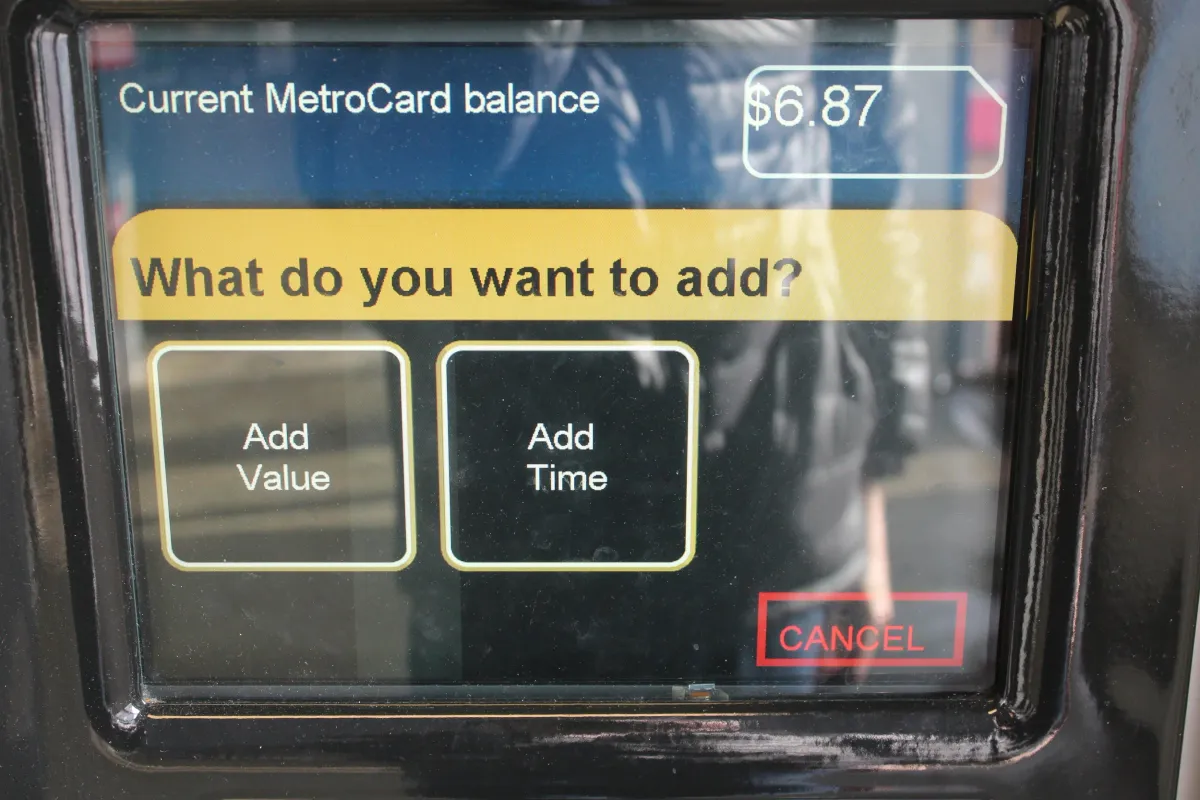
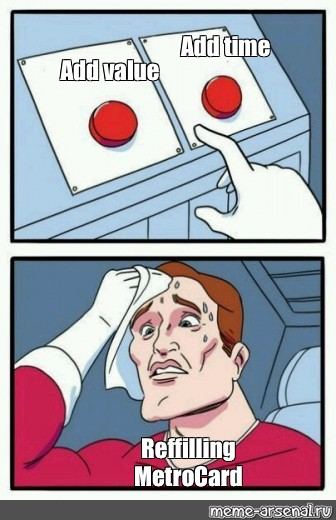
Sales of the MetroCard officially stopped at midnight on New Year’s Eve, meaning you can’t buy a fresh crisp one or refill your faded old one any more (they will still be accepted through next year). With the death of the MetroCard comes the end of one of the most infamous and maybe overused memes of recent vintage to come out of the city: the “add value/add time” existential conundrum. The simple image from the MetroCard dispenser machines become a local philosophical koan, an internet-ready image with infinite repeatability. Like many successful posts of peak Twitter, it comes with more than a tinge of depression.
The value/time meme has made the rounds plenty; it pops up on Reddit fairly often; City Councilmember Justin Brannan tweeted it on at least two separate occasions. The phrase got turned into a song by Shilpa Ray, the Brooklyn-based musician, who released “Add Value Add Time” on her 2017 album Door Girl. The song is ringing with city-life numbness, a sense of aging and struggling in the changing city that never feels easy to navigate.
“Work work work/Die die die/MTA asks/add value add time,” she sings in the chorus, ending with “Either way, I work til I die.”
Ray told me last month that the idea for the song came from her own attempts at doing the math on the value/time proposition, while struggling to make it as a musician in the city.
“I just thought, that question is so heavy,” she said. “It's kind of like a lot of living in New York is trying to decide between the lesser of the two evils. So you wake up in the morning or at night, if you work a night job … and that's the first thing you see.”
Ray moved to the city in 2000 from New Jersey, just a few years after the MetroCard’s debut, and was back and forth from Philadelphia for a while before settling in Brooklyn. Looking back, she said she ended up using mostly the same train lines over the years: the L, G, J, Z in rotation.

“When I was starting, I always thought it would be better to save with the monthly,” she said. “And then you realize you don't have enough in your bank account to support the monthly. Just get the weekly. And then you realize you don't have enough money for the weekly, and then you go down to, like, a day.”
Ray’s song, along with the meme image, will stand as a historical relic of this hyperlocal value/time concept from a relatively brief window of the subway’s history (the MetroCard lasted for less than a fourth the total lifetime of the subway system). I asked her why she thinks people share it and identify with it so much.
“I think it's just: living here is so crazy, and it's so crazy expensive that you're constantly under the idea that the rug is going to get pulled out from under you,” she said. “You will fall through you. It's very quick to fall through the cracks here. That's what's nuts about it. And I think even if people don't think that, they think that way; I think that pressure and that stress is like, always there.”
Do you remember the time?
To many, the subway system is the heart of the city and the “What do you want to add?” question, posed often when you’re first entering the system, jabs right in the heart of life in the city. There are endless things to do and be doing here, do you want to stretch life to its metaphorical 4 a.m. or pack it in early and save your energy for the hope of putting in a good work day starting in the morning? You always must decide, and you will never be totally sure it was the right choice.
As we wave goodbye to the MetroCard, we must also wave farewell to the add value/add time meme, one of our strongest relics of this era, and all it meant for those who shared it.
Buying time was a thing you could do with a MetroCard: the weekly or daily card, or the true VIP pass: the monthly unlimited. A monthly felt like the all-access pass to the city and it would have you making chaotic transit decisions when you’re drunk with power, or drunk with alcohol. You can pack a lot of rides into 30 days.
 Tim Donnelly
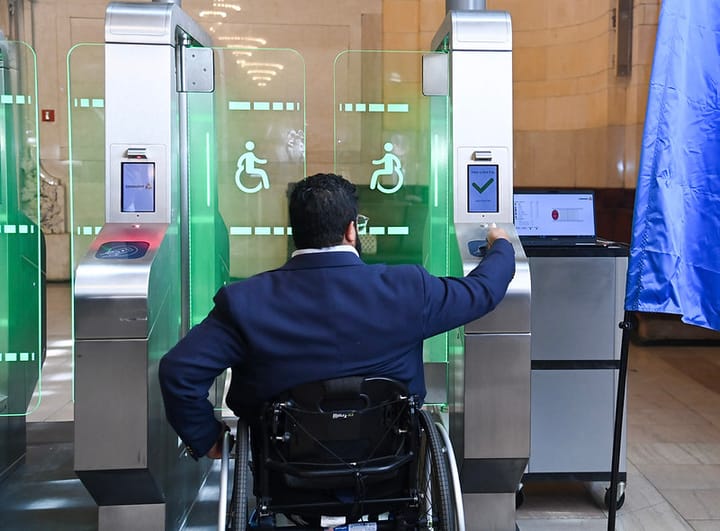
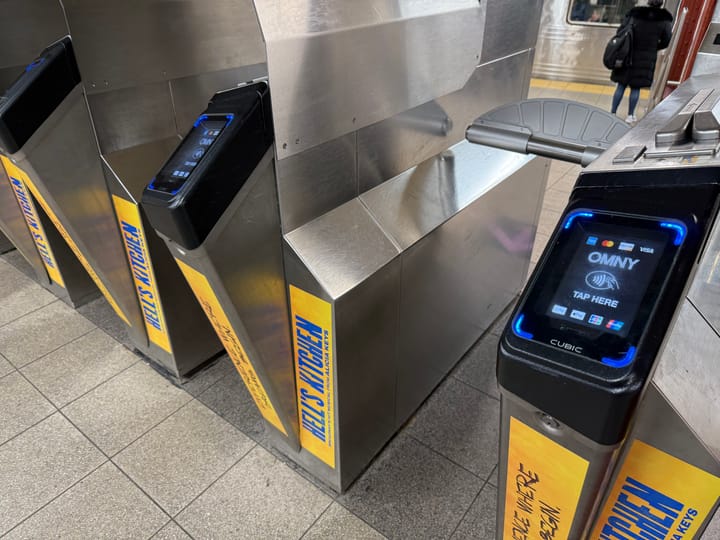
Under OMNY, the new tap-powered system, there’s no option to buy time ahead of time; there’s no option to buy anything. You just tap in with your phone, bank card or OMNY card and, after 12 rides in one week — assuming all is working! — your unlimited rides are activated for the week. I’ve been using OMNY almost since it launched and I have not kept track of whether I’ve ever triggered the unlimited pass. I must have at least once; if I did, I never took full advantage of it. The OMNY machines should make a little trumpet sound when you activate the unlimited ride for the week, but for now, ascendance into unlimited ride freefall is marked with no more fanfare than the standard beep and click of gate. Time marches on.
I do remember, however, my brief experience with owning the kind of time that came with the 30-day unlimited MetroCard. That perk came with two of my office jobs. The first time I had one, I was 30 and full of energy, and, freed from the burden of having to refill a MetroCard after every $20 or so of rides, I made monstrous, garish transit decisions. I crossed bridges three times in one night, I made obtuse, off-menu transfers with abandon. If the train was 20 minutes away, I’d leave to get a bagel and swipe back in like swipes were no concern for me, which they weren’t. When leaving the station, I would swipe in anyone who asked, a magnanimous god with my golden card. I’d take the bus two blocks.
Most often though, I added value. Outside these jobs, I would refill my MetroCard in $20 spurts, usually skating by on a shorter budget where spending more than $20 at a time felt like an unnecessary gamble.
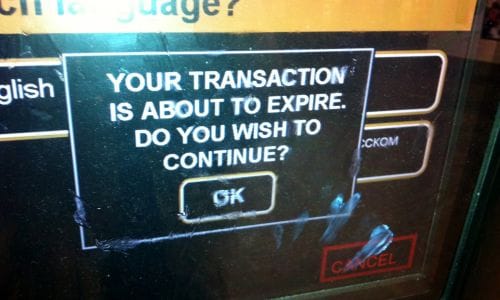
The MetroCard dispensing machines were designed to look a little like ATMs and I learned to operate them with the efficiency of someone being robbed at gunpoint, desperately trying to refill the value on my card before the train scooted away and robbed me of more time. Sometimes this worked, sometimes I hit the wrong button and ended up navigating it in Spanish (I wish I could go back in time and añadir valor to my college years and tell myself to study Spanish instead of French). To add to the already generally miserable experience of going to Yankees Stadium, I once got trapped at the front of the scrum of people leaving the stadium and going into the subway, only to learn that my card was empty, and I had to reverse scrum back to the machines in shame, further robbing me of time by forcing me to stay at Yankee Stadium longer.
In retrospect, I should have added time more often, trusting myself that I would use the 30 days well. At $132 at its latest price, the 30-day unlimited worked out to spending $4.40 dollars a day on the trains, less than two rides per day every day of the month. Sure, I bike and walk a lot of places instead of taking the train, but really that seems like a fair deal; buying that kind of time feels like an investment in your future. With a swipe, a seat and a book, I’ll meet you anywhere in the city, as long as I’ve got the time.

The debate of time over value is one you get with the privilege of aging, wondering if you spent your years well, especially in the city, where every moment could be filled with something educational, entertaining or debaucherous. Did I, in the years of my 30s and armed with an unlimited MetroCard, use those years well? Did I see enough of the city, did I “just one more bar” enough while I had the stamina, did I see enough sunrises or sunsets or lug my surfboard on the train early enough to beat the crowds in the Rockaways? Or did I blow the value of those years, too many bad dates and meaningless bar tabs, awful improv shows and party binges that led to wasted hungover days where I couldn't even get out of bed? I'm not quite old enough to know for sure, but times are always less unlimited when you age anyway. Ray told me one of the ways she coped with the stress of the city is by becoming "boring." Certainly, the process of entering and riding the subway system has become more boring, and I mean that in the best way. For most of us who tap in, there's no thinking about reloading cards or how many days are left on your pass or in which pocket of which coat you left your freshly loaded card. You just tap and ride; that efficiency is supposed to save time for everybody.
We say goodbye to this powerful meme as it fades off into the New York City internet lore graveyard, buried along with the likes of the brief FML sign, a relic of a different but very specific internet time. I can’t say whether adding value or time is the right choice for you. But when it comes to the unlimited MetroCard, I wish I had more time.

Comments ()