
Take inspiration from ‘70s New Yorkers and get really into trees this spring
AI can't plant a tree but you can: the big annual free tree giveaway starts this week.
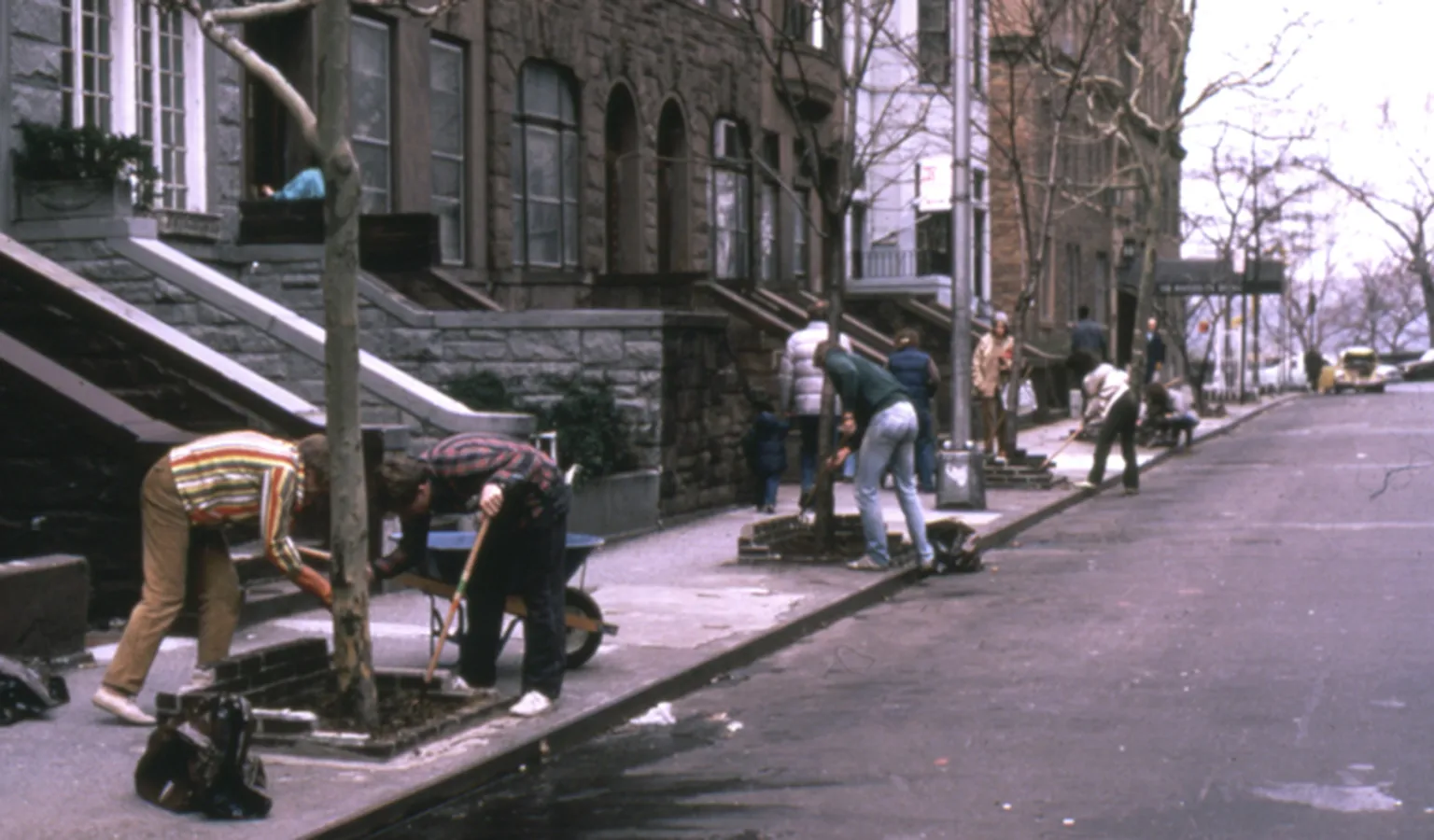
Without the fiscal crisis of the 1970s, we might not have as many trees in the city.
The era of economic turmoil in the city doesn’t usually bring to mind greenery: it’s associated with stock images of burnt-out buildings in the Bronx, crumbling squats on the Lower East Side and an eternally spinning newspaper with the famous Daily News “drop dead” headline. But while the city was burning and suffering, something new was growing.
In 1976, a group of volunteers and block associations got together, taught themselves how to prune branches and fertilize tree beds, and told the city they would take over maintaining their local street trees. In exchange, the city agreed to prioritize adding trees to blocks and neighborhoods where they knew trained volunteers were ready to handle the maintenance, at no cost to the cash-strapped city.
That effort grew into the organization Trees New York, and its signature Citizen Pruners program, which celebrated its 50th anniversary earlier this year. It also grew into a broader effort to add more trees to our city, including a tree giveaway that's happening this month across the five boroughs (more on that farther down).
“Trees were used as a way to build communities block by block when there was a lot of people moving out of the communities rather than moving in,” executive director Nelson Villarrubia told The Groove. “Since the city was basically bankrupt, there wasn’t a lot of money.”
Half a century later, Trees New York has evolved into a robust volunteer street tree defense organization that trains 300 to 400 citizen pruners a year, helps plan and maintain new ones, educates people on the benefits of urban forestry, and recently led a campaign to plant 399 trees at NYCHA housing properties that were affected by Hurricane Sandy. The group issues a licence for pruners and has a special permit that allows it to open fire hydrants during the summer to water trees.
These days, the trees still need our help, but you might need the trees’ help even more. They’re obviously good for fighting climate change, soaking up stormwater and cooling your street; but just being around trees has been shown to just generally improve your mental health and well being. A quick dalliance into the hell of online this week shows some people really could really benefit from being near a tree once in a while.
I’m not a doctor, but unless you are aiming to become the actual Lawnmower Man, you might want to consider less screen and more tree-in' this spring.
Touch a tree, defend an old one or even better, get your own tree that you can touch at will. It’s honestly the best time of year to be into trees. Here are a few ways to do that:
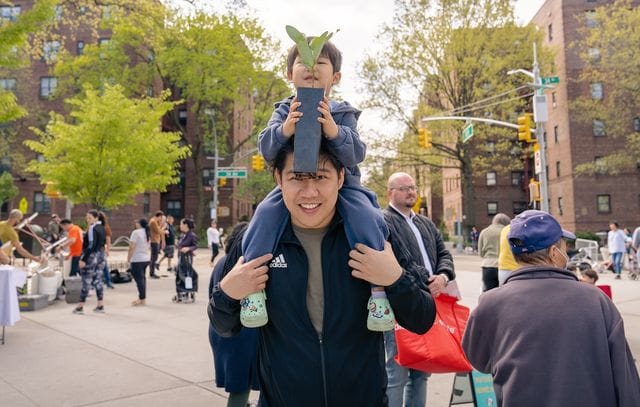
Tis the season for free trees’n
Nothing is free any more, except of course for the endless and renewable bounty of nature’s goodness. The New York Restoration Project’s annual tree giveaway starts on Saturday and runs through May 16, during which 3,750 trees will be given out across the five boroughs. That’s about 250 more giveaway trees than in recent years too.
🌳 Hi free reader! The trees are free but the journalism costs money. Help The Groove grow and flourish by becoming a member and you'll get sweet perks too.
There are 22 varieties of trees up for offer, from the American Hazelnut to the White Fringetree and the giveaways happen at lots of locations like parks, banks, community gardens and Times Square. You have to register ahead of time to get one but you can and should do that right here.
 The Groove
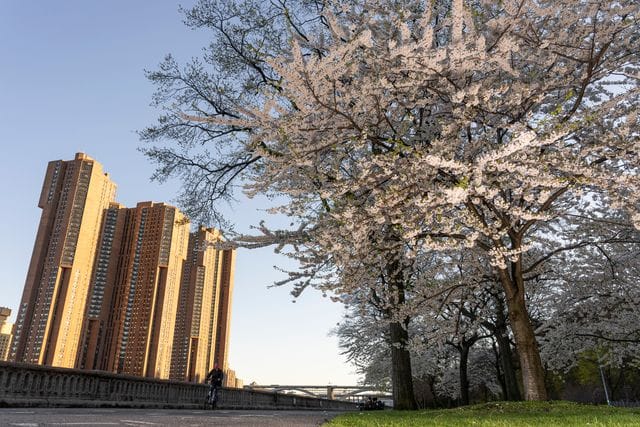
Track the cherry blossoms
The vibrant bursts of color from the city’s scattered throngs of cherry blossom trees are always a sign that spring is really here. The blossom tracker maps for both Central Park and the Brooklyn Botanic Garden are armed and fully operational. As of publishing time, the ones in Central Park are popping off and the ones in Brooklyn are just about to turn, so don’t dawdle.
For fewer crowds, go uptown: the NYRP also planted cherry blossoms along the Harlem River Greenway in Inwood in 2007, which now features more than 80 flowering trees along the waterfront.
 Jess Joseph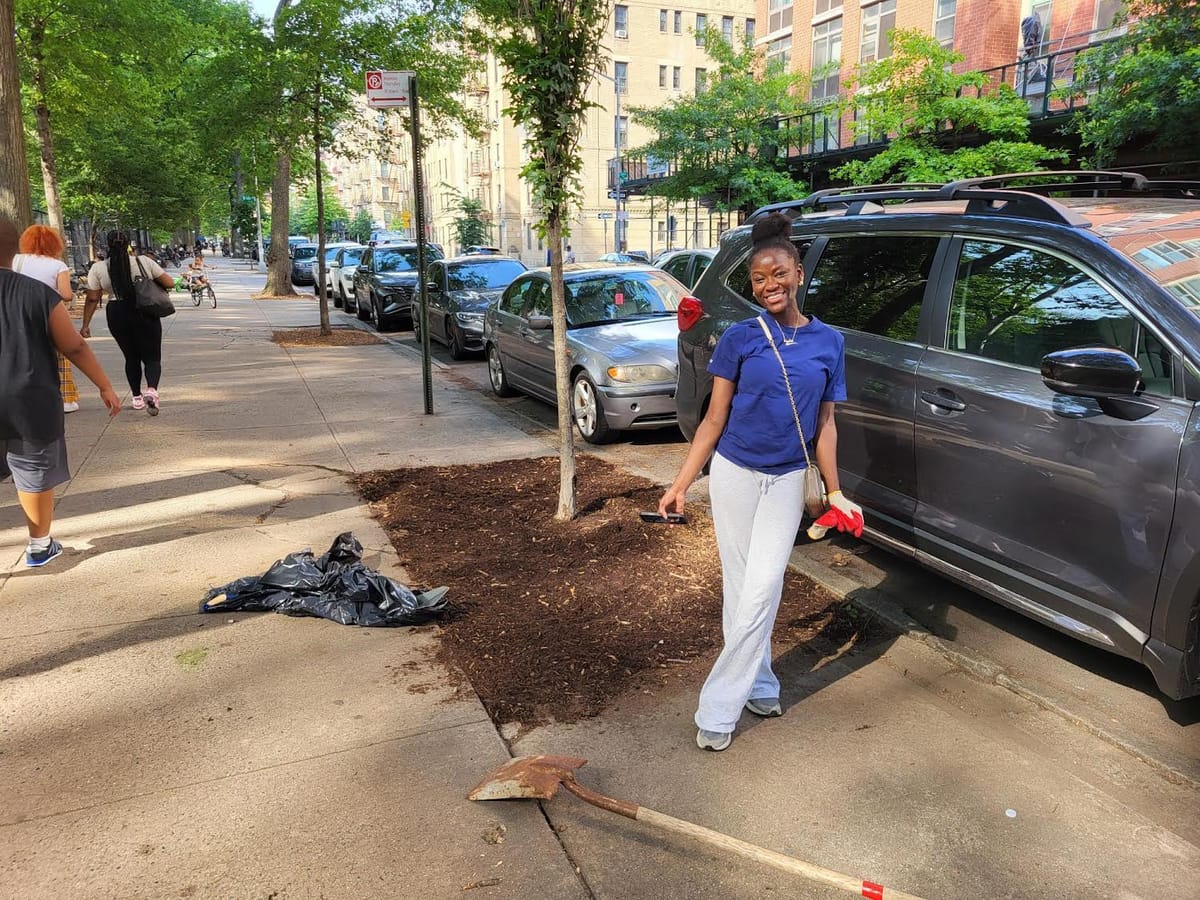
‘Fine, I’ll prune it myself’
The aforementioned citizen pruners program from Trees New York is about to fire up again for the season, during which you can learn how to take care of street trees to keep them healthy, and safe, for all nearby residents. Fill out the form here to find out about their next training course.
That program has been a great success for Trees New York as it has helped expand the concept of urban forestry from not just a beautification process, but one that is essential city infrastructure. Trees help cool streets and improve air quality, but they also help catch rainwater, something that’s an increasing concern to the city.
Getting volunteers together to do tree maintenance is about more than just the trees, Villarrubia said.
“Outside of the tree work, we notice that there’s an avenue of exploration as well,” he said. “If we’re in Greenpoint, we’ll have people not necessarily from Greenpoint. They’re like, ‘I can do a good deed, show up to this event, and there’s this restaurant I've always wanted to try.’ For some people it’s definitely a way to explore their city and get connected to different things.”
 Tim Donnelly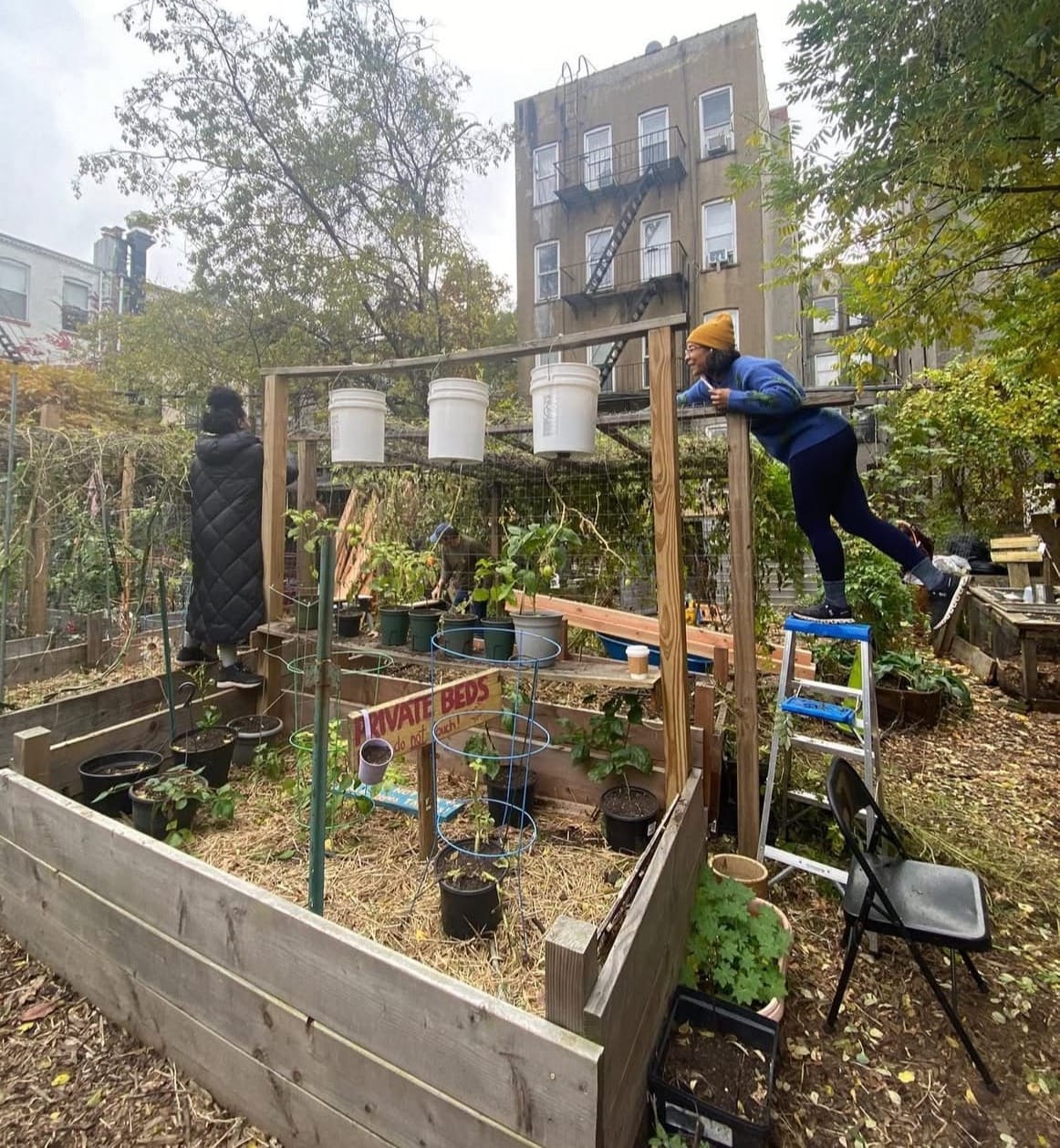

Comments ()