
An age-old loneliness remedy: How to start a block association
You can meet your neighbors, beautify your street and be the hero who orders the moonbounce for the block party.
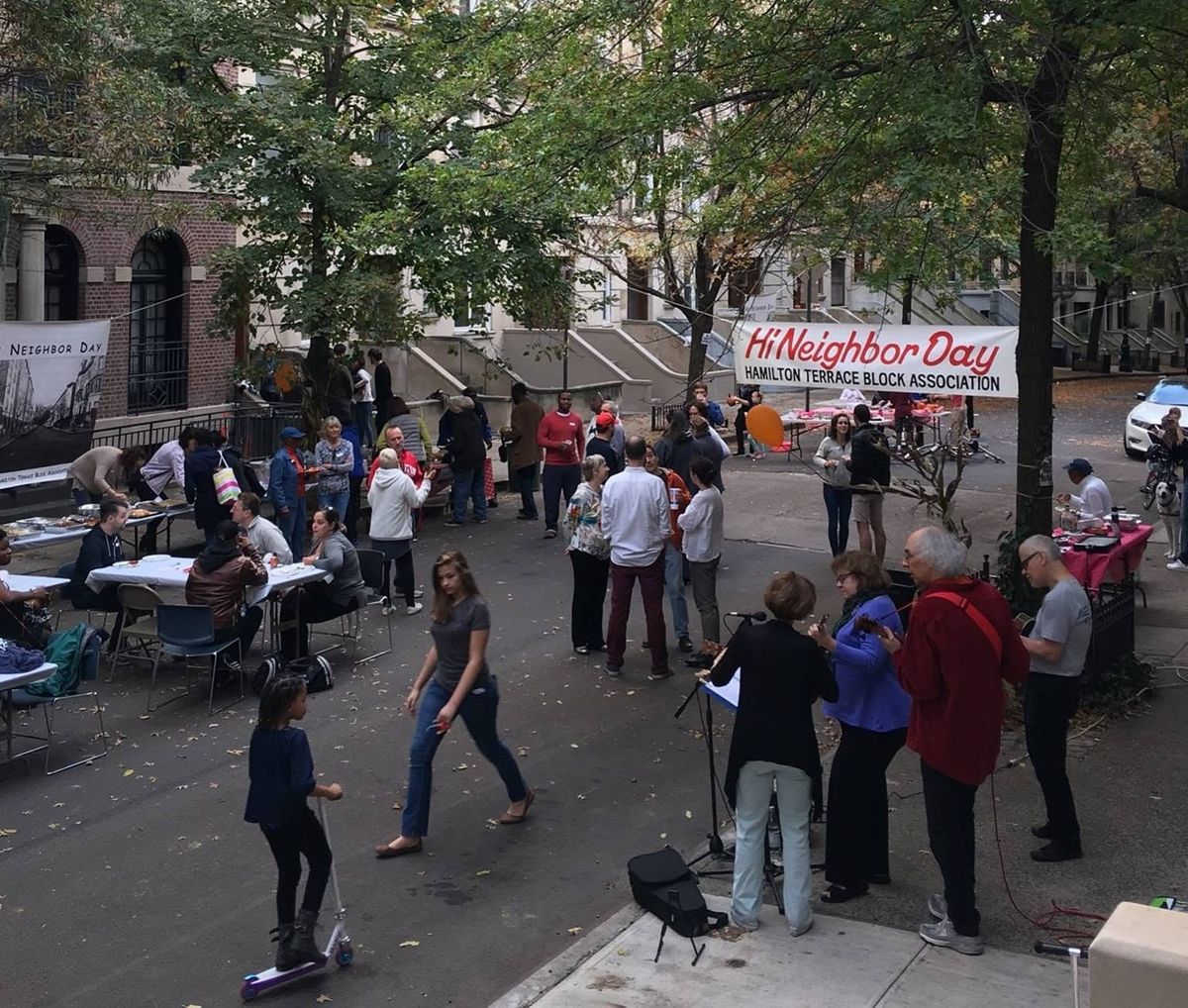
Summer in New York means block parties. At least it used to. The tradition is fading somewhat, taking with it generations of community organizational memory. Anyone who has ever organized one knows that a block party doesn't magically appear. Someone has to apply for permits. Someone has to coordinate the grill. Someone has to remember the napkins, the folding tables, the extension cords and the playlist.
Behind many of New York City's best block parties is something you may have never heard of: a block association. Block associations are simultaneously the backbone of a community and one of the city's most overlooked forms of civic life. They're self-organized groups of neighbors who decide to work together around shared goals. Sometimes that means organizing a block party. Sometimes it means planting trees, fighting for traffic safety improvements, supporting tenants, cleaning up litter, or advocating for more public investment in the neighborhood.
The beauty of a block association is that it can be whatever its members need it to be. Unlike a homeowner association, participation is voluntary and democratic. There are no mandatory dues and no one measuring the height of your hedges. Plus, they’re open to all residents, not just homeowners, providing renters a meaningful way to take greater ownership of their block.
They exist not to regulate neighbors, but to connect them. In an age when loneliness and isolation abound, getting to know your neighbors is one of the simplest and most powerful forms of civic participation available to us.
After several years of living on my current block in Astoria, I was dismayed that there were still few neighbors I could ask to lend me a proverbial cup of sugar. With a kid on the way, I also recognized the importance of having a proverbial village. Back in my old neighborhood, Bed-Stuy, there was a rich culture of block associations and vibrant block parties. Inspired by that example, I decided to form a block association. Here's what I learned.
First, find out what’s already there
Before starting a new block association, see if one already exists. Start by asking your neighbors. Longtime residents often know whether a block association is active or has faded away. Your local Community Board may also have records and can often point you toward existing groups.
You can also use this new Find Your Block Association tool to see where any groups have applied for block party permits in recent years. If a previous association has become inactive, you may not be starting from scratch.
Meet your neighbors
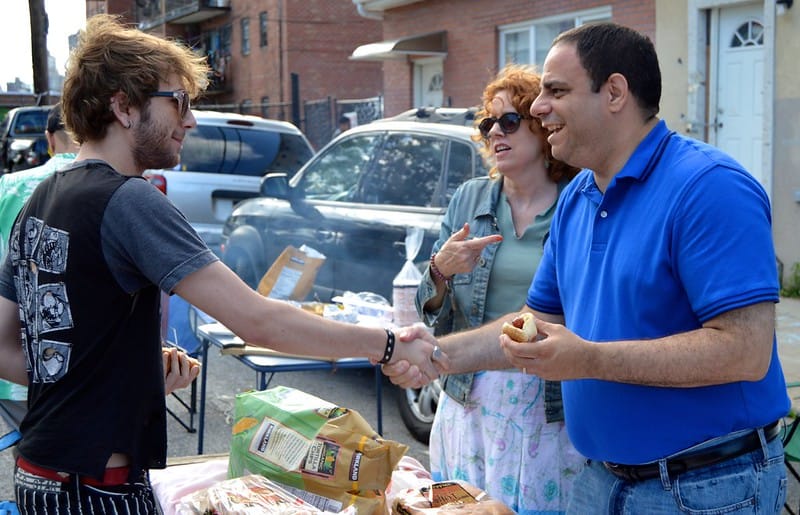
If your block isn't organized, the next step is outreach. The most effective method remains good old-fashioned door knocking. For some people, that probably sounds daunting. That's okay. Leaving a flyer at every door can work too. If your block has lots of buildings, posting flyers on light poles or other visible locations may be an easier option; it's how I got my block association started, and it generated enough interest for a solid first turnout.

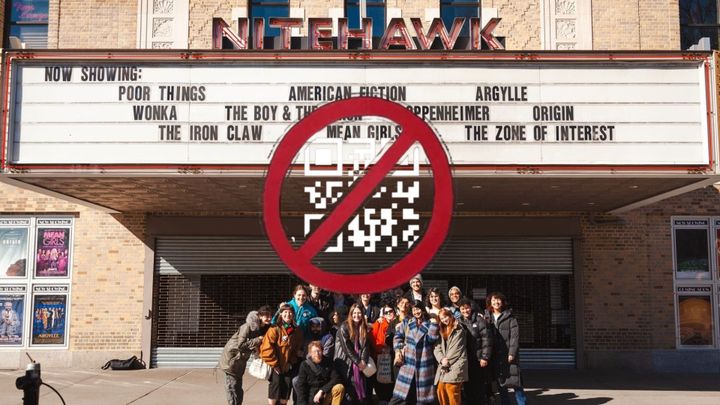
A good flyer should include the name of the block association, the area it covers (note that block associations aren’t strictly limited to one block), a brief explanation of what a block association is (be explicitly inclusive of renters!), information about the first gathering, and a QR code linking to a WhatsApp group.
If your neighborhood speaks multiple languages, consider translating the flyer. A small gesture of inclusion can make a big difference in who feels welcome.
Start with a gathering, not a meeting
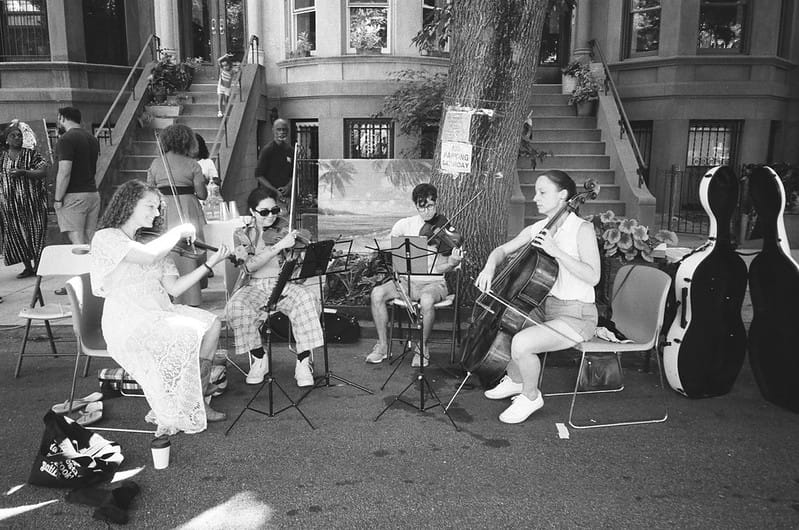
Group chats are useful, but community happens in person. For your first gathering, a living room, backyard, church basement, cafe, community center or library meeting room can all work. I held our first gathering at the Astoria Food Pantry, a neutral community space that felt welcoming to everyone. Bring some snacks, name tags and a sign-in sheet.
Many people will show up not because they're eager for a project, but because they're looking for connection. They want to know who's living next door. They want to feel a little less anonymous in a city of eight million people.
Start with introductions. Give people space to talk about themselves, how long they've lived on the block, and what they enjoy about the neighborhood. Then open the conversation to bigger questions: What would make this block feel more connected? What problems need attention? What kinds of events would people like to see?
You'll likely hear ideas ranging from the practical to the ambitious: a neighborhood newsletter, a tool library. Write everything down and share the notes afterward. Also pay attention to what people can contribute. One neighbor may have experience organizing events. Someone else may have access to meeting space. You’re not going to leave with a strategic plan, but that’s not the goal.
Congratulations, you have a block association
Many people hear the word "association" and imagine bylaws, board elections, bank accounts, and nonprofit paperwork. But at its core, a block association is simply a group of neighbors working together.
My block association has no formal legal status. In the early stages, keeping things informal can actually be an advantage. If there are only a handful of participants, you probably don't need officers or committees. What you need is momentum. As the group grows, more structure may become helpful. Some associations eventually adopt bylaws, collect voluntary dues, create formal decision-making processes, and form committees. There is no single correct model.
Many successful groups use a committee structure, where different volunteers take responsibility for different projects. This spreads the workload, creates more opportunities for participation, and prevents everything from falling onto the shoulders of one or two highly motivated people.
Do something together
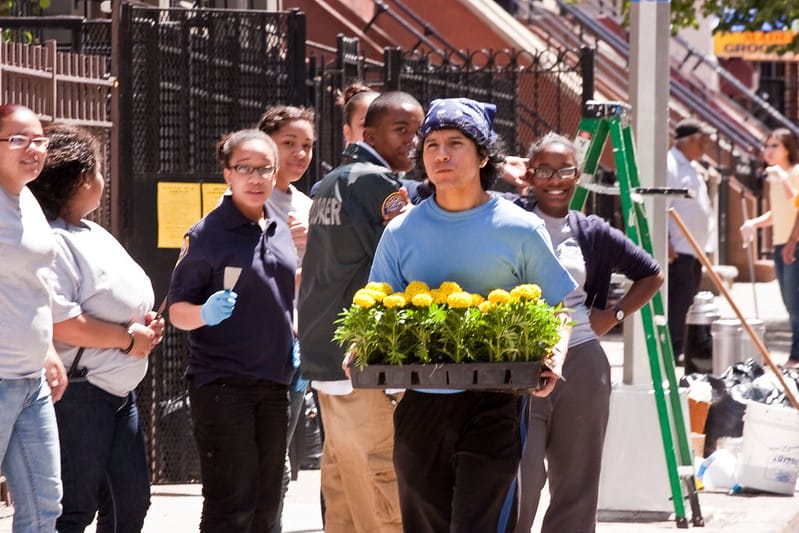
The fastest way to build a block association is to give people a reason to show up. Plan an event or a project. It doesn't have to be a massive undertaking. We started with open coffee dates. A potluck, sidewalk cleanup, holiday gathering, movie night, neighborhood yard sale or block party can all serve as a starting point too. What matters is creating opportunities for neighbors to spend time together. Relationships are the foundation. Formerly strangers, now we stop and say hello on the sidewalk. Once people know and trust one another, the range of possibilities expands dramatically.

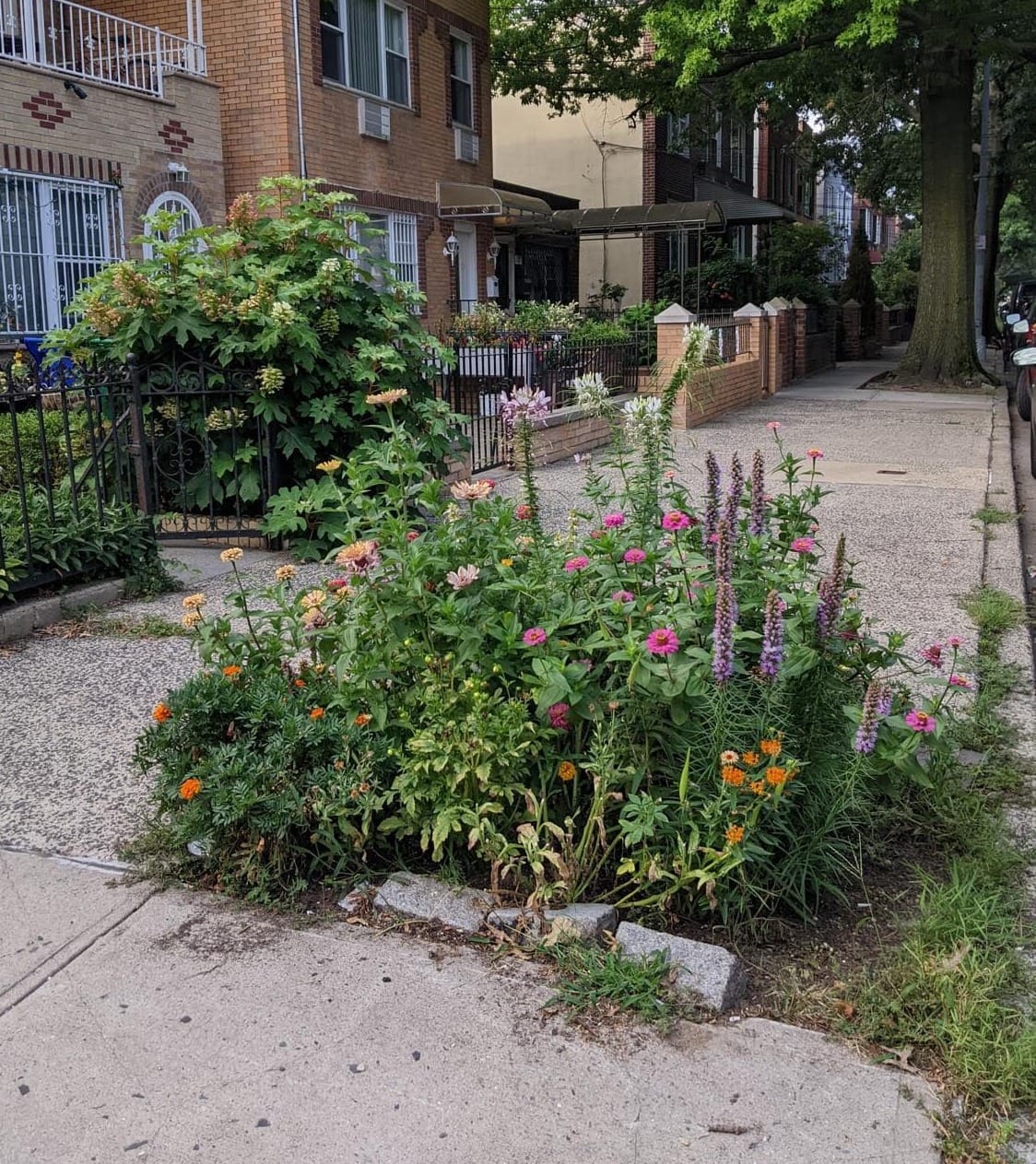
After our initial gatherings, my block association quickly got to work. We planted four new trees, got a free hydrant spray cap from our local firehouse and applied for a grant to build tree guard benches. Block associations can do a lot more than most people realize. Some associations advocate for safer streets, better parks, and more public investment. Some form mutual aid networks that help with childcare, elder check-ins, food sharing, and emergency support. Many public realm projects like our benches are eligible for grants through CitizensNYC or your City Council member’s office.
Think beyond the block
Eventually, your block association may become part of something larger. Some neighborhoods, like Bed-Stuy, have umbrella organizations that bring together multiple block associations, tenant unions, and civic organizations. These federations help coordinate campaigns, share resources, and build collective power across a wider area. If one already exists in your neighborhood, consider getting involved.
And if it doesn't? Maybe that's the next project. The strongest neighborhoods are built by networks of people who have built trust and are willing to work together.

Comments ()