
What to actually expect from the mayor's 'Rental Ripoff' hearings
How to sign up, and why this won't be a free-for-all open mic airing of grievances
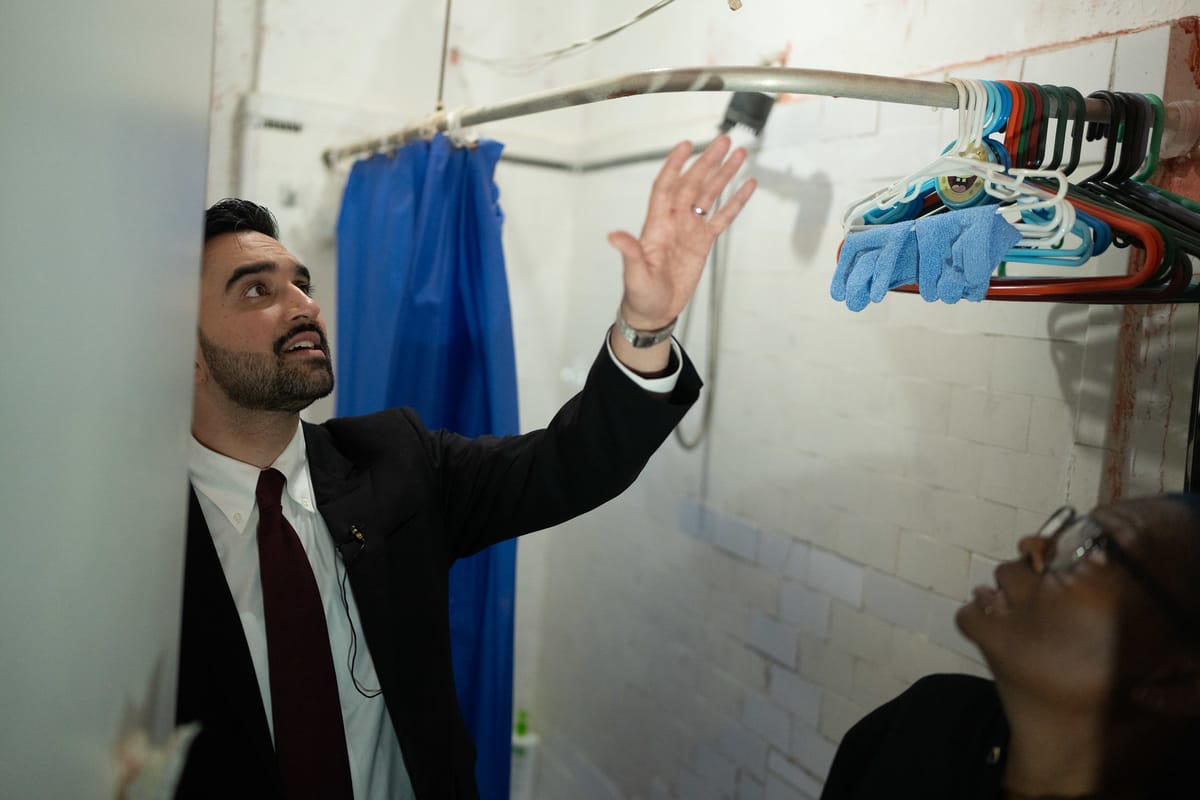
Crumbling ceilings, broken boilers, mystery mold, pesky fees, literal pests — now’s your chance to air every horrible thing about your New York City rental to someone from the mayor’s office who actually wants to listen. Mayor Zohran Mamdani’s “Rental Ripoff” hearings are officially kicking off this month, providing New Yorkers a much-anticipated opportunity to tell people with actual power just how much their landlords suck.
The hearings, part of the new administration's ongoing efforts to center tenant-friendly policymaking, were first announced with an executive order back in January, and were one of the first initiatives announced by the mayor’s Office of Mass Engagement when it was created at the start of Mamdani’s term.
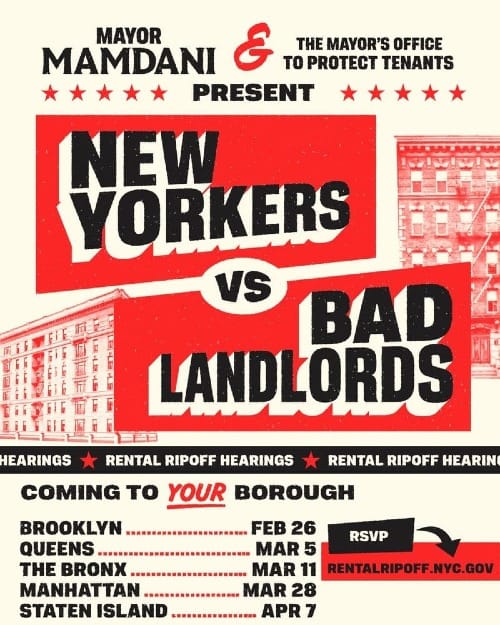
If the idea of a “ripoff” hearing plus the prize-fight-style “New Yorkers vs. Bad Landlords” graphic design on the flyers has you envisioning a free-for-all airing of grievances where an endless parade of people take the mic to eviscerate their landlords, well, that’s not how any of this is going to go down.
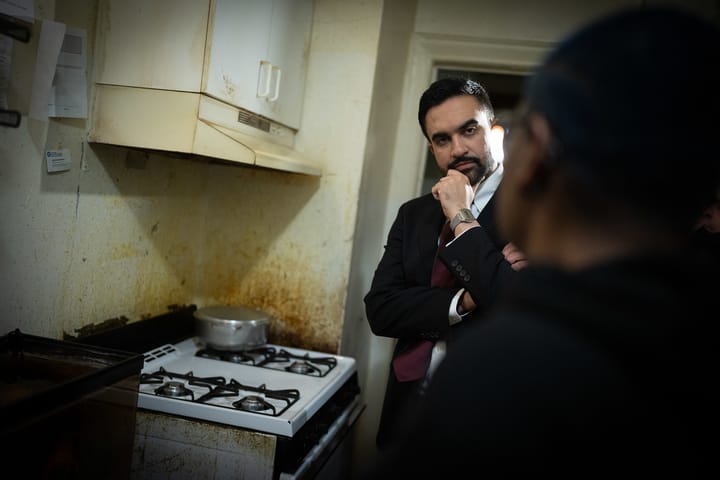
Rather than an open mic, the format of the hearings will be something more akin to a school resource or science fair, a city spokesperson told The Groove, with different stations for renters to speak with officials from various participating agencies including the Department of Housing Preservation and Development, the Department of Buildings, and the Department of Consumer and Worker Protections, as well as the Mayor’s Office to Protect Tenants (an entity that was launched under the de Blasio administration, largely unused during the Adams years, and revived by Mayor Mamdani on his first day in office).
The website for the hearings notes that attendees are “encouraged to testify about issues such as challenges getting issues in their homes addressed and about any ‘rental junk fees’ you have experienced as a tenant,” including fees around “certain amenities, pets, services, payment systems, etc.” This includes a huge swath of issues that nearly every renter in the city has likely experienced at some point — the landlord who ignores repeated requests to fix a leak or a broken water boiler; building owners who still try to swindle would-be tenants into paying broker fees themselves; junk “amenity fees” for affordable housing tenants, to name just a few not-that-hypothetical hypotheticals.

Attendees will be able to discuss their issues one-on-one with city officials, and representatives for the Tenant Support Unit will be available on site. But tenants with urgent issues should still submit their complaints to 311, even if they also bring them to the attention of officials at the hearings, the spokesperson noted.)
The idea is less about getting one-off complaints addressed than figuring out how to fix the systems that have made them hard to get addressed in the first place (inadequate response to repeated 311requests, for instance), the spokesperson noted.
A report with policy recommendations and action plans will be released within 90 days of the final hearing, according to the city.
“The housing maintenance code has not been rewritten in a very long time,” Cea Weaver, director of the recently-revitalized Mayor’s Office to Protect Tenants said in an interview with In These Times earlier this week. “So I’m interested in taking a very hard look at it and seeing not only what’s in there that we don’t really need anymore, but what is missing?”
In keeping with the idea that the hearings won’t be a total free-for-all, attendees need to register in advance for limited spots. There are upcoming dates in all five boroughs (though you don’t have to attend a hearing in the borough you live in), the first of which will be held in Downtown Brooklyn on Feb. 26. (See the full list of dates and locations and register for a time slot here; options for submitting virtual testimony will be available soon, according to the website.)
And consider this further evidence that we’re entering a potential golden age of city-sanctioned snitching on bad landlords.
More housing news you can use from The Groove:

Comments ()