
11 Questions with the 'Guardian of Jamaica Bay'
90-year-old Don Riepe has been watching over the city's wildest places for decades, and has some wild stories too
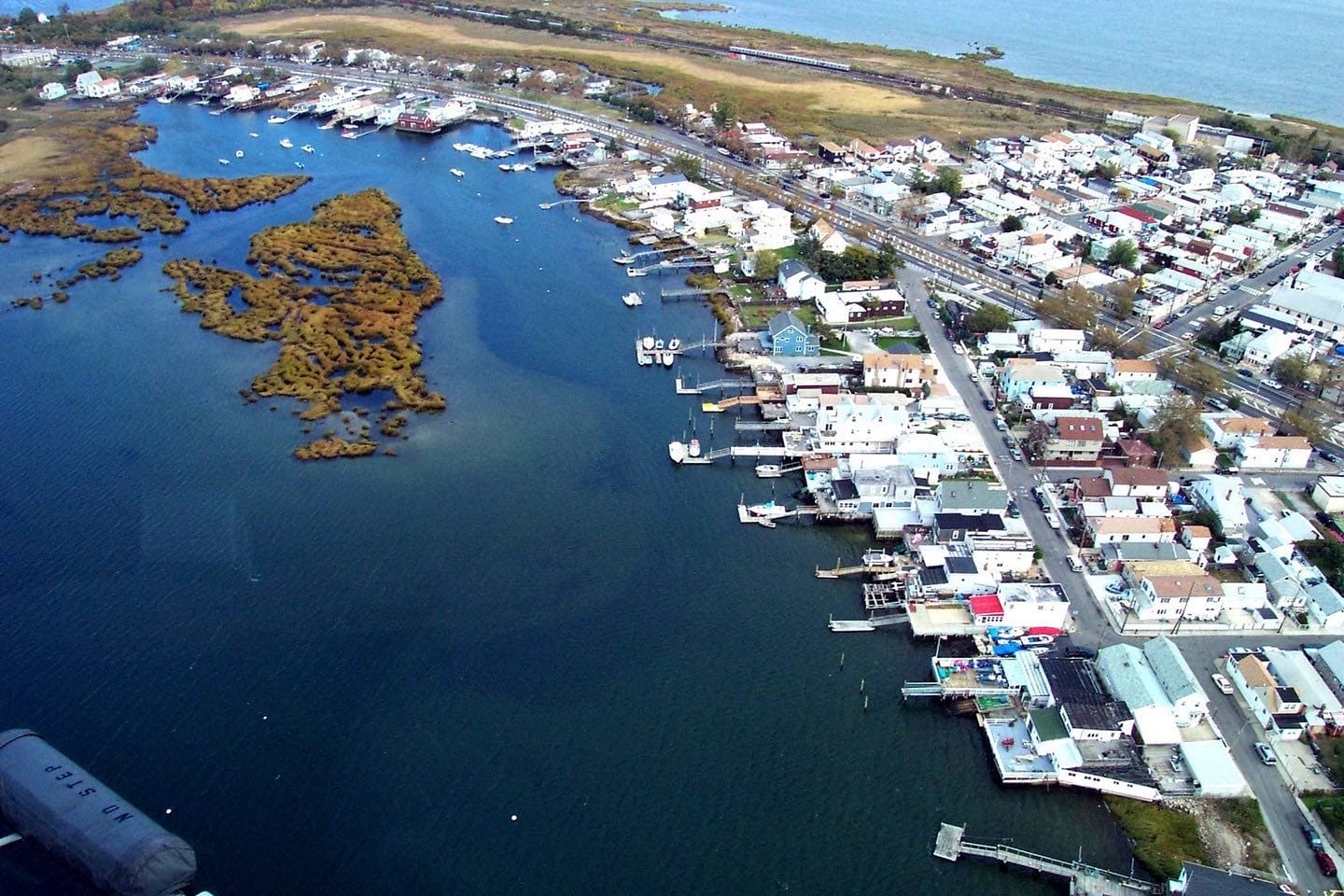
Don Riepe is a native New Yorker, conservationist and the honorary Guardian of Jamaica Bay. He’s spent decades looking after the water and wildlife of the largest natural space in the city and (literally) making a home in Broad Channel. Sometimes referred to as "the Venice of New York," Broad Channel is the only inhabited island in Jamaica Bay, a narrow one-mile strip of land that’s prone to flooding and environmental threats, home to a tight-knit coastal community of roughly 3,000 residents.
At nearly 90, Riepe is still out on the water, keeping watch over one of the city's wildest places and the only National Park Service site you can reach by subway. He’s picked up a lot of stories along the way.
As a long time resident and nature protector, Don sat down with The Groove to talk about living on the water, close encounters of the animal kind, and finding John Gotti-era bodies along the coast.
The Groove: Who are you and what do you do?
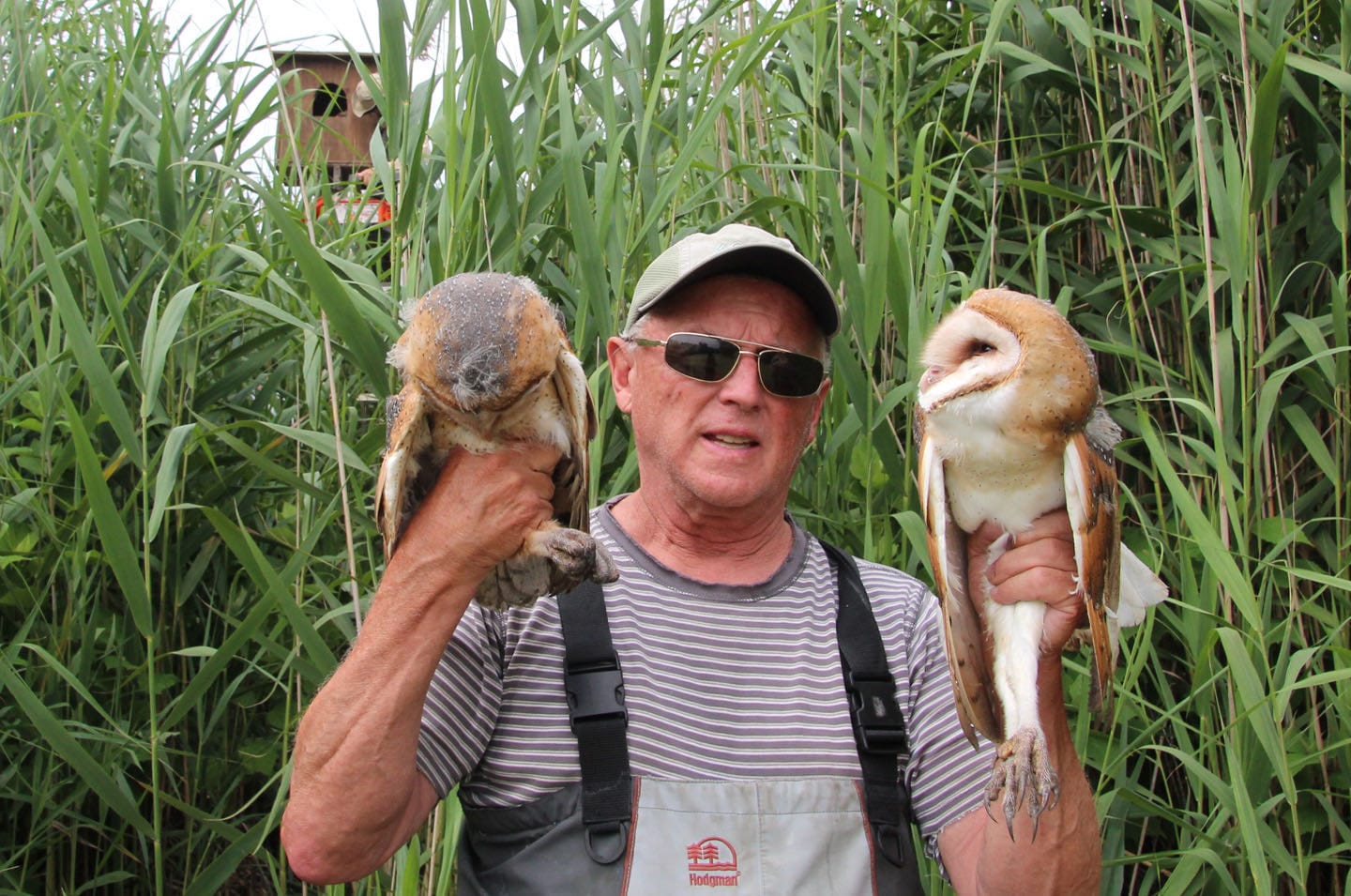
My name is Don Riepe, I am the Jamaica Bay Guardian for the American Littoral Society, and I do all things Jamaica Bay: patrolling, looking for derelict vessels, debris, oil spills, illegal poaching. I take care of the birds: ospreys, raptors, barn owls. I also do a lot of patrolling in my boat to see what's happening in the bay, make sure things are going okay. I worked for the Parks Service in the Bay for 25 years. I tend to get involved in whatever happens here.
When John Gotti, who was the head of the mafia, lived in Howard Beach, we were finding dead bodies on the side of the road.
What's the craziest thing you've experienced as Guardian of Jamaica Bay?
How about nine dead bodies? Not at once though. I found two of them when I was out patrolling Jamaica Bay during the Gotti period. When John Gotti, who was the head of the mafia, lived in Howard Beach, we were finding dead bodies on the side of the road. It's a long, lonely stretch, and if you kill somebody, it’s a good place to dump a body.
One day I was going around late in the day, and I see a birder. I stopped and I said, "See anything good?" He had a heavy Russian accent, he said, "I saw the corpse." So I'm thinking okay, what, a Canada goose? “Did you see a dead goose or something?"
"No. A dead person. a dead body." So I said, "Oh, you report it?"
No paywalls: this story is free to read, just log in or become a free subscriber below to continue.
He said “no, the light was fading. I want the bird first."
Another time after a fire I was looking for box turtles. In the scorched dirt there, I looked down and saw something that looked like it could be a turtle. But when I picked it up, it was a human skull, very old.
Some of the other bodies have been fresh. I'm driving home one night, one o'clock in the morning, and the police had an area taped off. I said, "What's happening?" He said, "Oh, got a guy shot in the head here in the car. He's got a brand-new Cadillac. He's here from Italy, got here four days ago. And they caught up with him already.”
But since Gotti’s done, we haven't had a dead body. It's a little boring, to be honest. I always look for the body. What do I look for now? Dead fish?
What brought you to Broad Channel?
I grew up in Ozone Park, but I’ve lived in Broad Channel for over 40 years. I’ve always known about Broad Channel because I'd be going from Ozone Park to Rockaway Beach, and I'd pass through there. When I was 18, I'd stop by the bars right on the water. I liked these old bars on the docks, they smelled like stale beer and had dogs lying on the floor. It had real character, and there were animal traps we could look at too. But those bars have pretty much disappeared.

It was by accident that I got to live there. I was working at the refuge, and one of my coworkers said, "Hey, there's a house for sale in Broad Channel." I said, "I can't afford a house." He said “No. It's an old house, all for $6,000." I said, "$6,000?" Long story short, I got a partner, Bob, a guy that I worked with at the refuge, who was handy. Bob was very good at plumbing, electric and carpentry. We bought the house, and fixed it up.
When he moved out, I went to the bank. They wouldn't give me a mortgage because the house was on pilings on the water. I said, "All right." And then I thought to myself, "Why am I giving that money to a bank..." So I said to Bob, "Bob, let's draw up a contract. I'll pay you.” And it worked out.
Today my house is valued at $800,000. It was because of what was happening in these new big houses being put up, in the channel, I was lumped in with them. If I sold, I would never get $800,000 unless there's some hedge fund manager that wanted to live on the bay and didn't care, who’s going to tear the house down anyway, and build up a new McMansion.
What’s it like living on Broad Channel, considering its environmental risks?
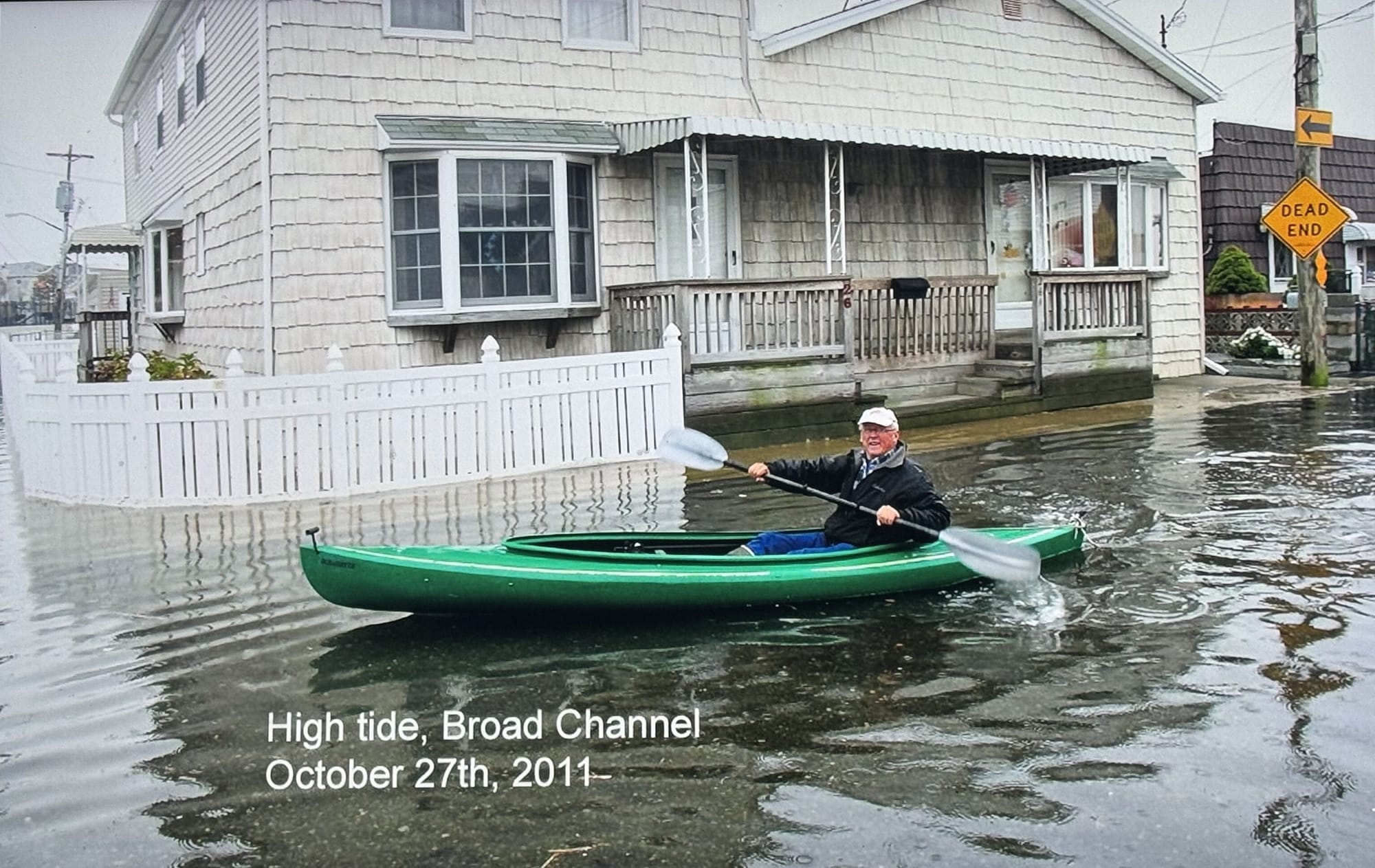
I'm still working on the house. It's a house that constantly needs repairs. But, it's beautiful — most of the time. There are several times a year that it gets a little dicey and sometimes I get water in the house, sometimes right in the living room. But it comes in with the tide and then it goes out, and I have everything up high.
All the electrical outlets are up high, and I can put up my furniture. But I do have to pay attention to the tides, the phase of the moon and the wind direction. So, for example, right now it's a full moon, right? If there was a strong northeast wind, I'd have to worry about parking my car in front of the house because I'm going to get flooded, or picking up the furniture if it's really bad. But usually summers are pretty quiet except for, the possibility of course, of hurricanes. I've weathered several hurricanes — Gloria, Irene — had water in the house. But I had everything up high enough. It didn't really take out too much. Plus, I have insurance. The federal flood insurance people hate me because I'm a repetitive flooder. They'd love to get rid of me!
Speaking of hurricanes, how was the experience in Sandy?
Sandy was so unique, it was huge and the water level went up crazy high. It was a 14-foot surge. I was going to stay. I said, "I want to photograph this." I'd planned to go upstairs on the roof, but then it was coming in too late at night, and it was going to be dark, so I said, "What's the point?"
I went to my brother's house five miles inland. It felt like nothing out there. But when I came back the next day everything was a total mess in my house. Everything had to be redone. I had to redo the whole floor, the walls, the oil furnace was shot, the refrigerator, the kitchen, everything was gone.
We don't need the Red Cross, please. We got better. We have a food truck. We got the Buddhists. We got the New York City Sikh communities out here
How did it affect Broad Channel?
Broad Channel had an interesting time because people really pulled together. People called me and came over to help with whatever I needed. One group redid my electrical wiring. Another group wanted to give me a new oil burner. A Buddhist group that I had never heard of before (or after!) came and gave everybody money, like, a $600 debit card. Mormons from Utah here on their missions worked on my house, probably thousands of dollars worth of work. The Sikhs from Richmond Hill came and cooked food for the people in Broad Channel, many of which probably have never eaten Indian food before. So I suggested to them,"Just don't make it too spicy."
But we had so much support from everybody in the whole city community. Even Mayor Bloomberg would send food trucks to Broad Channel. After a few weeks, the Red Cross shows up. They’re on my street with something that looked like lukewarm peas and mashed potatoes. I said “No, I don't want that. We don't need the Red Cross, please. We got better. We have a food truck. We got the Buddhists. We got the New York City Sikh communities out here.”
The real heroes of the day were the Sanitation department. They came every day and took all that debris, and there was so much piling up on the streets. People gave so much; I got so much toothpaste, I still use some of it today. It was a real community moment in Broad Channel, an amazing time.
What’s changed in Broad Channel?
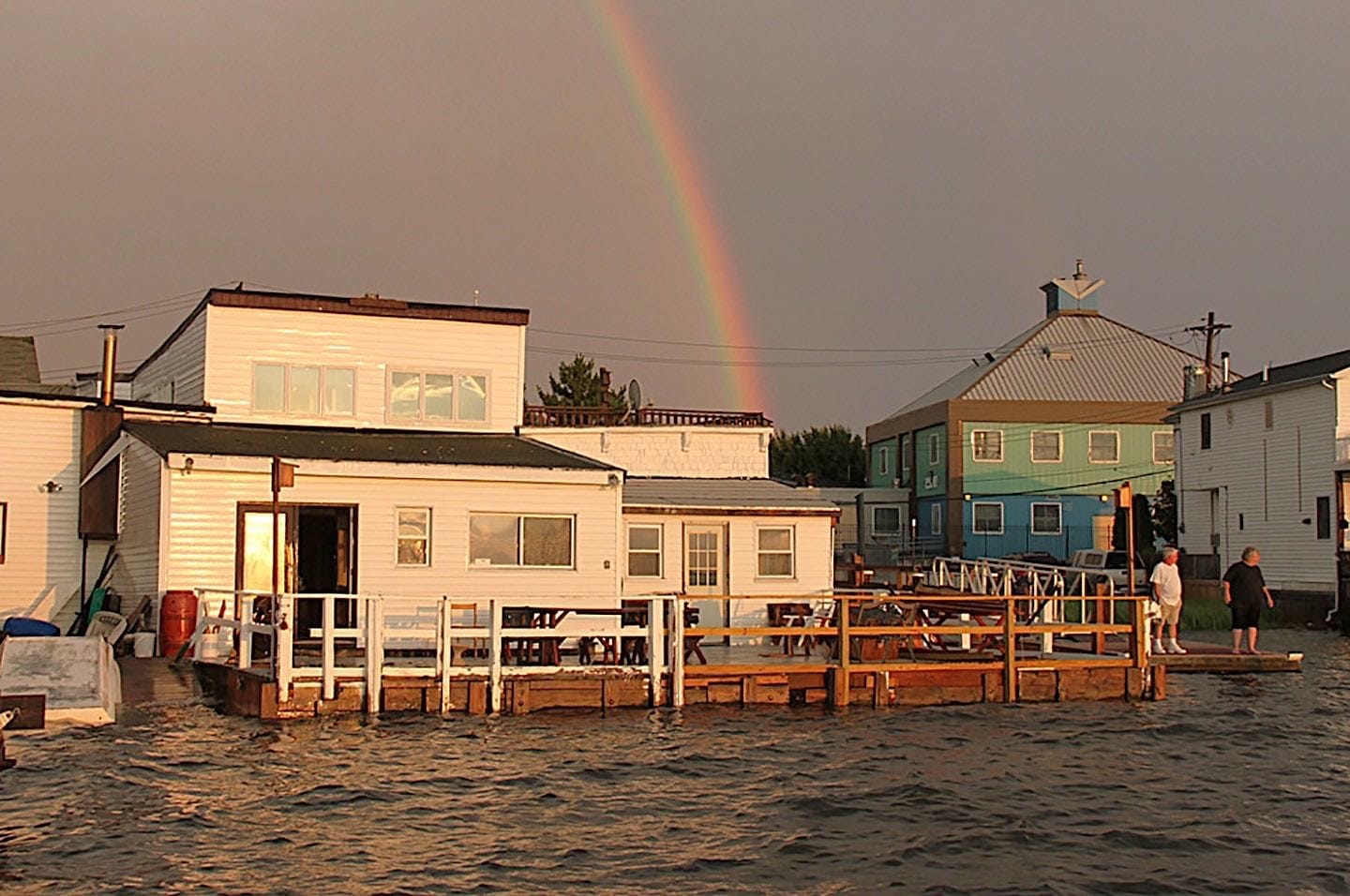
It hasn't. Maybe a little bit, just some of the bars. There was an old Irish bar on my street called Noonan's. The building was leaning a little bit, it was one of those old bars. You walk in, it’s a bunch of old timers and old sailors in there with their dogs and the draft beer. It was a fun place but they had to tear it down, before it fell down!

Broad Channel has changed in terms of some of the types of shops that come in, but still, there's no major industry. The only industry there is, is one we don't particularly like, is the call-ahead portable toilet. They like to say they’re No. 1 at number two.
It's still a tight-knit little community. It's quiet. Because it's on an island, you don't get a lot of wanderers. You can leave your door unlocked, for the most part. There's very little crime. Maybe some of the local kids, but they get found out pretty quickly. 'Cause it's such a small community, someone’s going to tell on them. There's always an unofficial mayor on the block. Like on my block, it’s my neighbor, an old cranky curmudgeon guy. But I like him because he'll call me at 4:00 in the morning, say "Don, tide's coming up. You better move your car." So thanks, Joe, I appreciate it.
But other than that, we have the refuge right nearby. I have all this wonderful open space here, miles of open water and marsh, and the cityscape in the back. It's a great place to live.
Living in Broad Channel seems to invite a lot of connection with nature. Talk about some of the animal encounters you’d had.
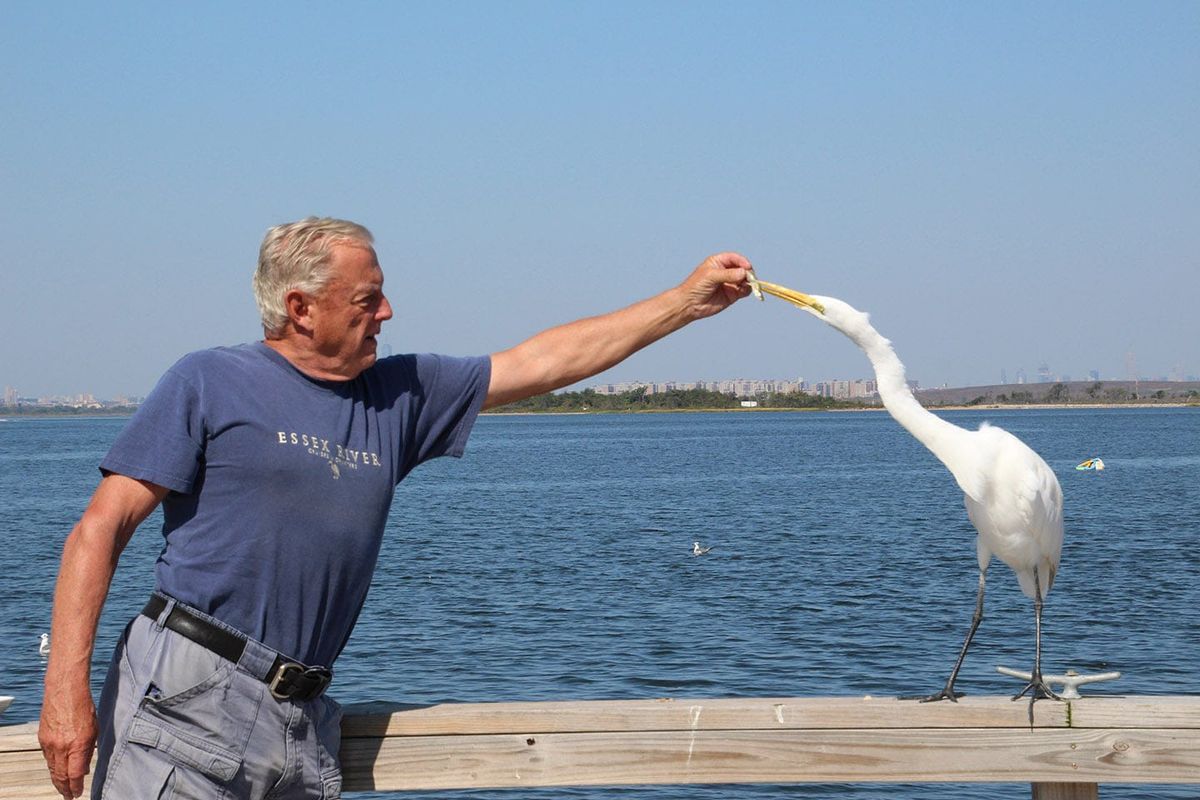
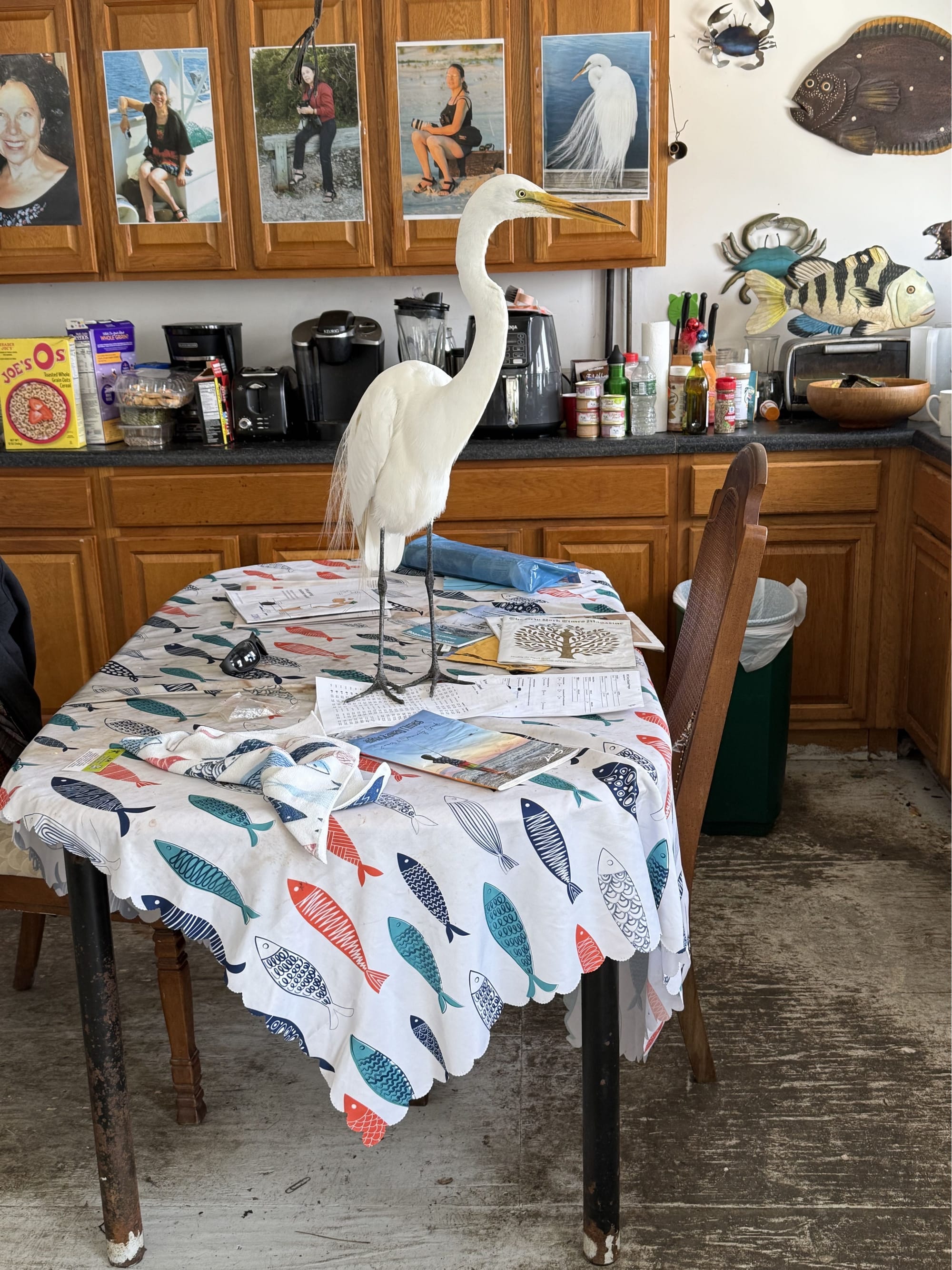
The animals are here every day. Edgar the Egret has been coming for 14 years, he’s a full-grown great egret, stands about four feet tall. He lands on my dock, walks into the kitchen, walks right up to me and stands there, until I get his food ready. I give him a little piece of salmon. But he's a wild bird — he goes away in winter, goes down south somewhere, and he comes back right around the end of March, early April. And I put it on my Facebook. I say, "Edgar returned today," and I get 150 comments. "Oh, it's wonderful. Oh, spring is here finally." Just magically shows up on my dock. It's really nice.
But, he eats a lotta salmon. He loves his salmon. It was costing me a bit of money. So I said to my Facebook friends, I said, "Hey this bird is eating me out of house and home." I said, "Can you help support his bad habit?" They donated over $1,000 to the American Littoral Society for me to feed that bird. So there’s an Edgar fund. He's been on television several times, and an artist did a painting of him. He's a celebrity.
There's been like eight raccoons in the house in the last year. There's one in my attic right now, I think. I trapped two rats I had running around my house. I don't kill them either. I like rats. I drove them to the refuge and let them go. I used peanut butter and a little piece of chicken in a live trap. Everybody loves peanut butter.
What were some of your favorite nature experiences growing up in New York City?
I grew up in Queens when there was a lot more open habitat, so we did a lot of things. We went out with bow and arrows and .22 rifles in Jamaica. We were like a little band of guerrillas, but there was so much open space and back then there wasn't all the social media stuff. You went out all day and you did what you did. We were good kids, we didn't get in trouble really.
During one expedition we found an area where we could find black widow spiders. We started collecting them in a bucket. We were going to try to sell them to the military because their silk thread is so fine that we heard that it was used for gun sights on telescopic sights. But being 10, 11, 12 years old we had no way of contacting the military.
One day, joking around, we knocked the pail over. All the black widows went running off in my friend's backyard. I think they've probably populated most of that area of Queens by now, in Ozone Park.
What recommendations do you have for people who want their own experiences with New York City nature?
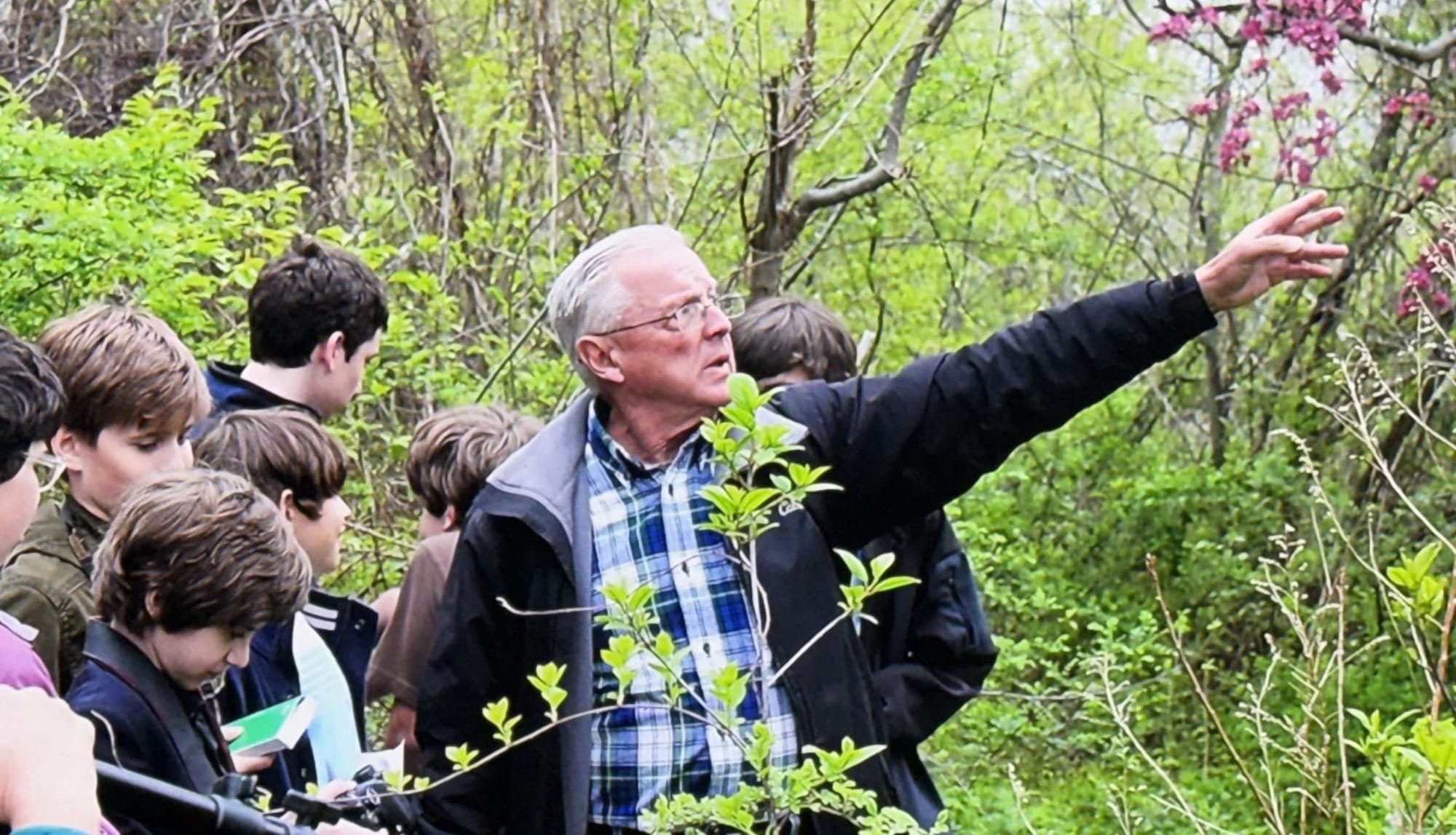
New York has great city parks and the park rangers lead tours all the time. In fact, they model their whole park ranger program after the National Park Service.
There's lots of wildlife in those parks, especially during the spring and fall bird migrations. And there's serious mammals too. We have two coyotes living in Central Park, up in the North Woods named Romeo and Juliet. So go to your local parks and your city parks. We also have the national parks at Jamaica Bay Wildlife Refuge and Sandy Hook, Staten Island is also a national park.
There’s so many birding groups. There's the Brooklyn Bird Club, the Queens Bird Club, New York City Bird Alliance, the Linnaean Society of New York. All of these groups do birding and hiking.
 Alesandra Tejeda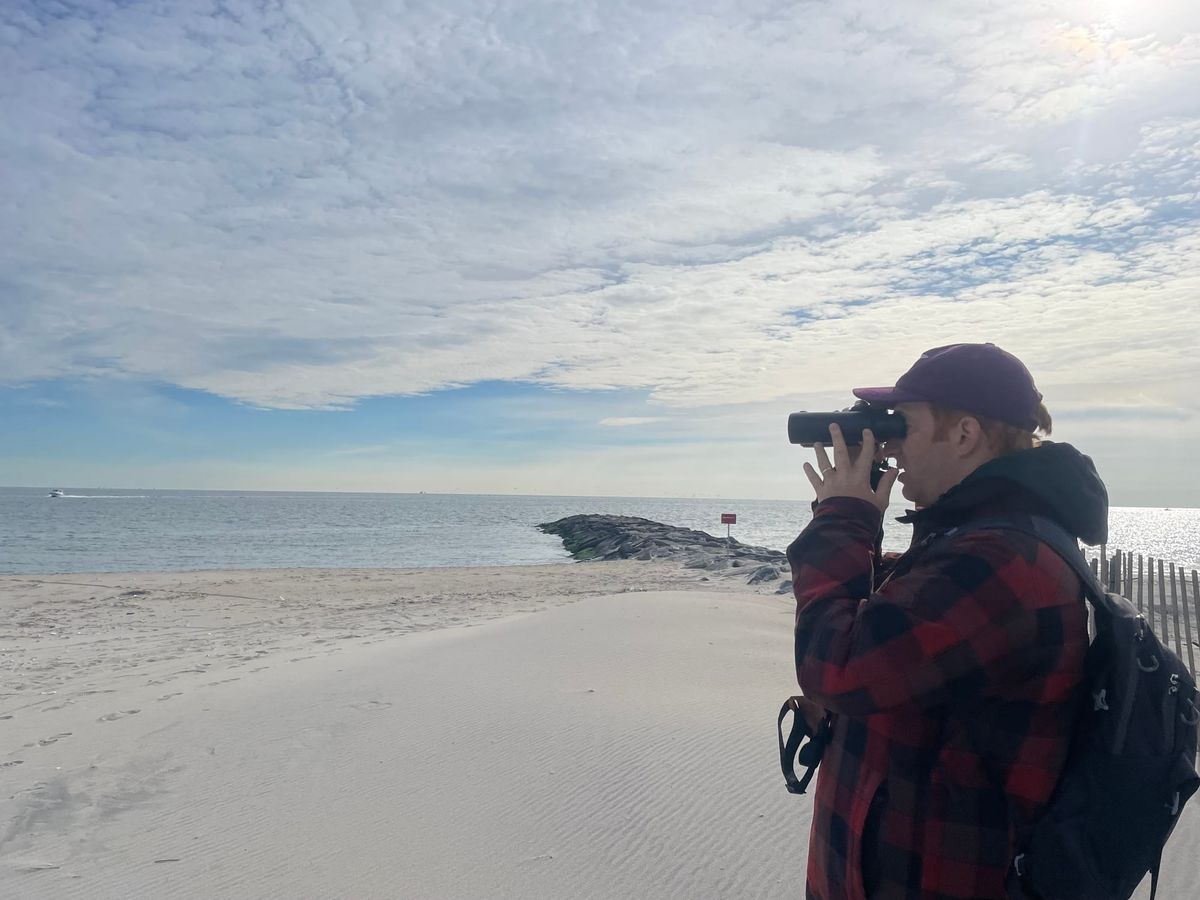
And the New York City Butterfly Club, which I'm a card-carrying member of. That one started with all us old-time naturalists. We decided we wanted to look at something other than birds, so we chose butterflies. We went through all the butterflies. We got 70 species of butterfly documented just for the refuge.
So one of the guys in the club, he just kept locating and identifying every moth species he could. He now has a list of over 800 species of moths, just for Jamaica Bay. Which makes sense, because the rule of thumb generally between moths and butterflies is for every butterfly there are 10 moth species.
How can we help New York City nature?
The best thing you can do is contribute to the organizations and experts that are out there fighting for you, like the different Audubon groups. But also, the legal groups like the Environmental Defense Fund or the Natural Resources Defense Council.
They have a legal arm that is fighting against this administration trying to undo all the environmental legislation from the past 40 years. Everything's a fight.

Comments ()