
8 museums dedicated to a single artist that you should visit
Thousands of artists across the years have come to call New York City home, whether they were born in the city or they immigrated to it. Years after they pass away, occasionally their homes are maintained as museums and historical houses, providing a look at both their art and their lives that's usually inaccessible in a standard art museum like the Met. In other cases, museums are dedicated to artists at their own request, choosing to make the greatest city in the world a permanent home for some of their finest creations.
Given all these opportunities to see not just how artists worked, but how they lived, New Yorkers should take the chance to do a deep dive on a singular artist by visiting these eight historic sites and museums across the city, showing the works of some of America’s most accomplished creatives. You can see more of their work than you would in a bigger museum, and sometimes sit in the artists' own living rooms where they brainstormed their ideas in the first place.
Manhattan
Nicholas Roerich Museum
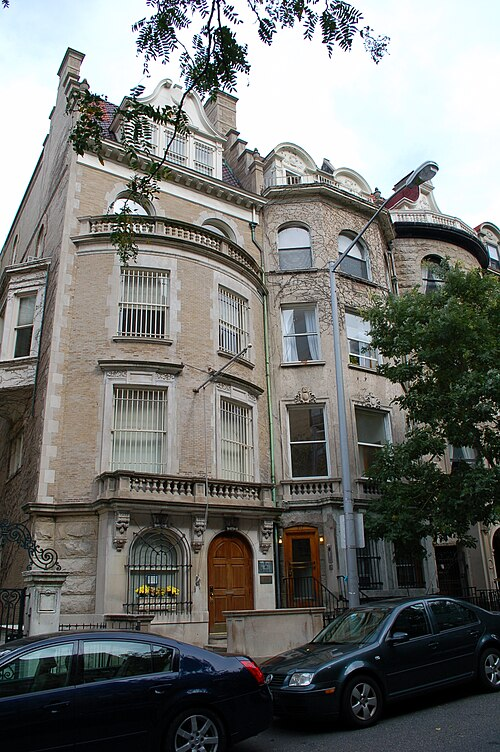
Located on the upper-westernmost corner of the Upper West Side is the Nicholas Roerich Museum, dedicated to the renaissance man Nicholas Roerich. The Russian painter, philosopher, mystic, lawyer, explorer, educator and diplomat lived a rich and storied life spanning continents. The museum is in the same neighborhood Roerich lived in for years until 1929, when he moved from the comfort of the Upper West Side to a cottage in Naggar in the Kullu Valley in India, 6,000 feet in the air, when he lived out the last 19 years of his life.

Although one of Roerich’s greater accomplishments include bringing together world leaders to sign his eponymous Roerich Pact to protect artistic, scientific, and historic institutions during wartime, Roerich was foremost a mystical creative artist who created an immense body of spiritual work. His paintings are prized the world over; Roerich is the only non-Indian artist, out of nine, whose work is so highly prized by the Indian people that it is illegal to move it out of the country.
“If you love mountains, physically and spiritually, then our Museum is the closest place one can get to the Himalayas in NYC."
He was a man of tremendous resolve; even in his 50s, Roerich painted works as he was crossing the Himalayas or trudging through the Taklamakan Desert.
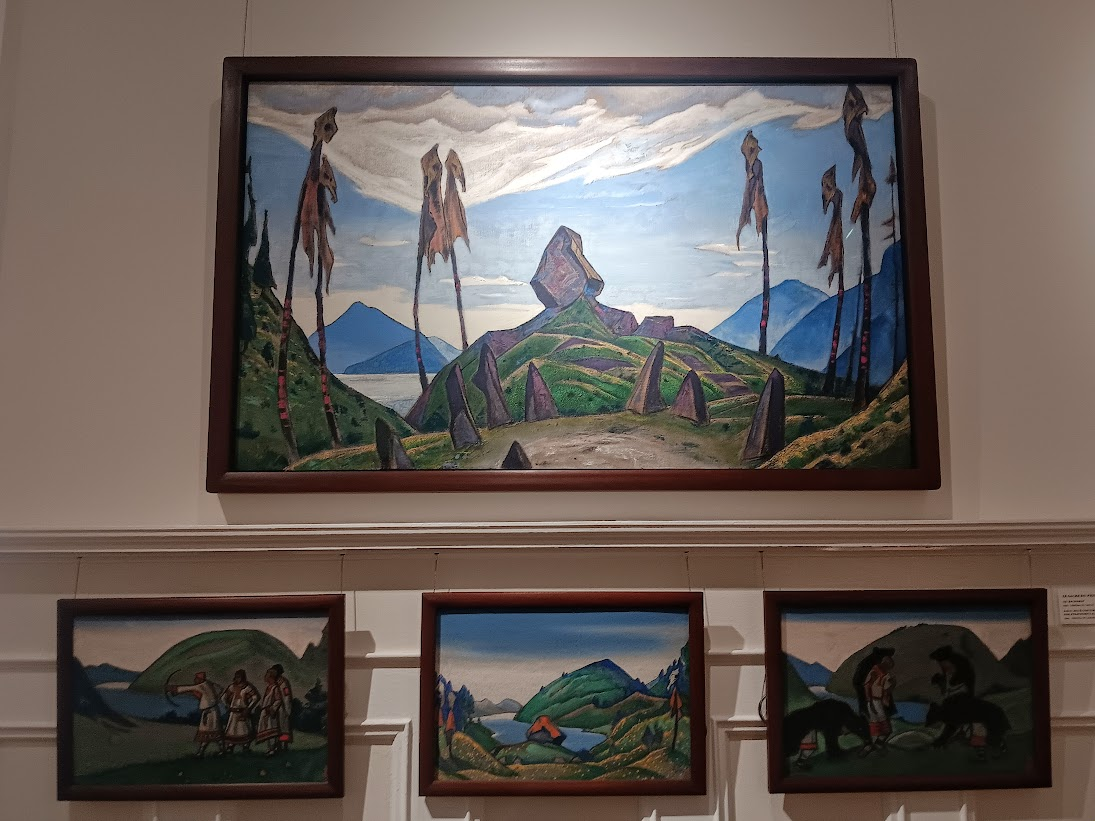
Roerich’s works include paintings of the Virgin Mary and St. Francis; looming, pagan dolmens and cloudy, mountainous landscapes.
“If one is attuned to his spirituality, his work is meditative and symbolic; if not, it appears plainly realistic,” museum director Gvido Trepsa said.
Across three floors, hundreds of the artist’s paintings in all sorts of shapes, colors and sizes can be seen. Best of all, they sell the most incredible honey in the gift shop, made by a local apiary.
“If you love mountains, physically and spiritually, then our Museum is the closest place one can get to the Himalayas in NYC,” Trepsa said.
The Nicholas Roerich Museum is open weekdays from 12-4 and weekends from 12-5. It is closed Mondays. The museum is located at 319 W 107th St.
Judd Foundation
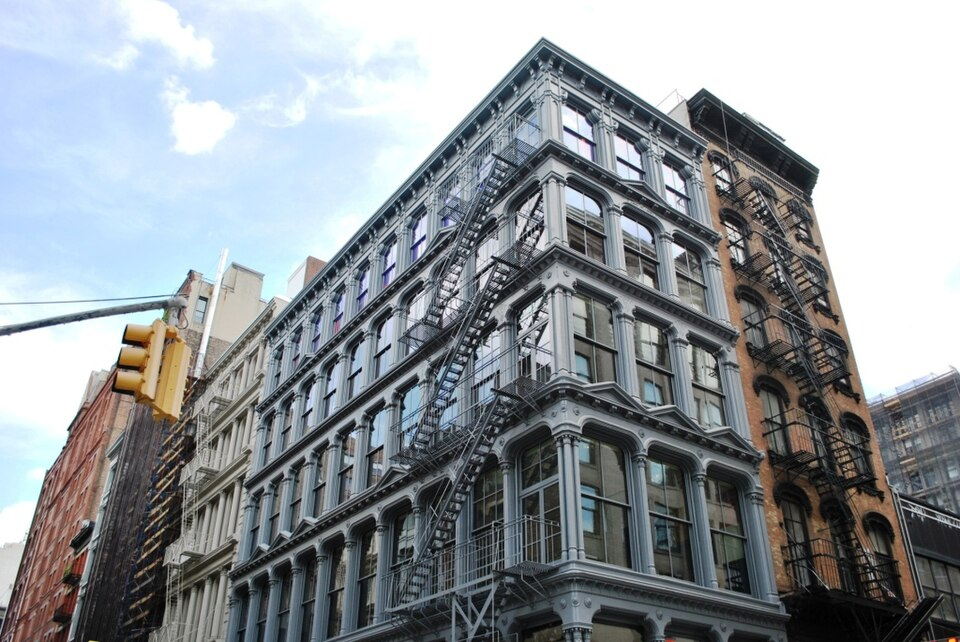
When Donald Judd paid $68,000 for a five-story building at 101 Spring St. in 1968, SoHo was a slum. NYU professors were not allowed to take students south of Houston street for fear of being mugged, according to one of the foundation's tour guides. Robert Moses had his sights on demolishing all of SoHo, Chinatown and Little Italy to build his Lower Manhattan Express superhighway; in the end, however, Moses’ plans were thwarted, and SoHo eventually gentrified.
Thanks to Moses’ defeat, the Donald Judd Foundation remains intact, a peculiar blend of museum and historical house that continues the legacy of Donald Judd, the 20th-century art critic and creative artist.
The Donald Judd Foundation blends museum genres. Certain floors are set up as slightly neater versions of what they would have looked like when Judd and his family lived there in the 1960s and 1970s, prior to moving to Marfa, Texas. The children’s marionette theater under the stairs is intact; the Ikea-core tables and chairs are on full display; and Judd’s liquor collection and assortment of West African artifacts continue to bedeck the stairway.
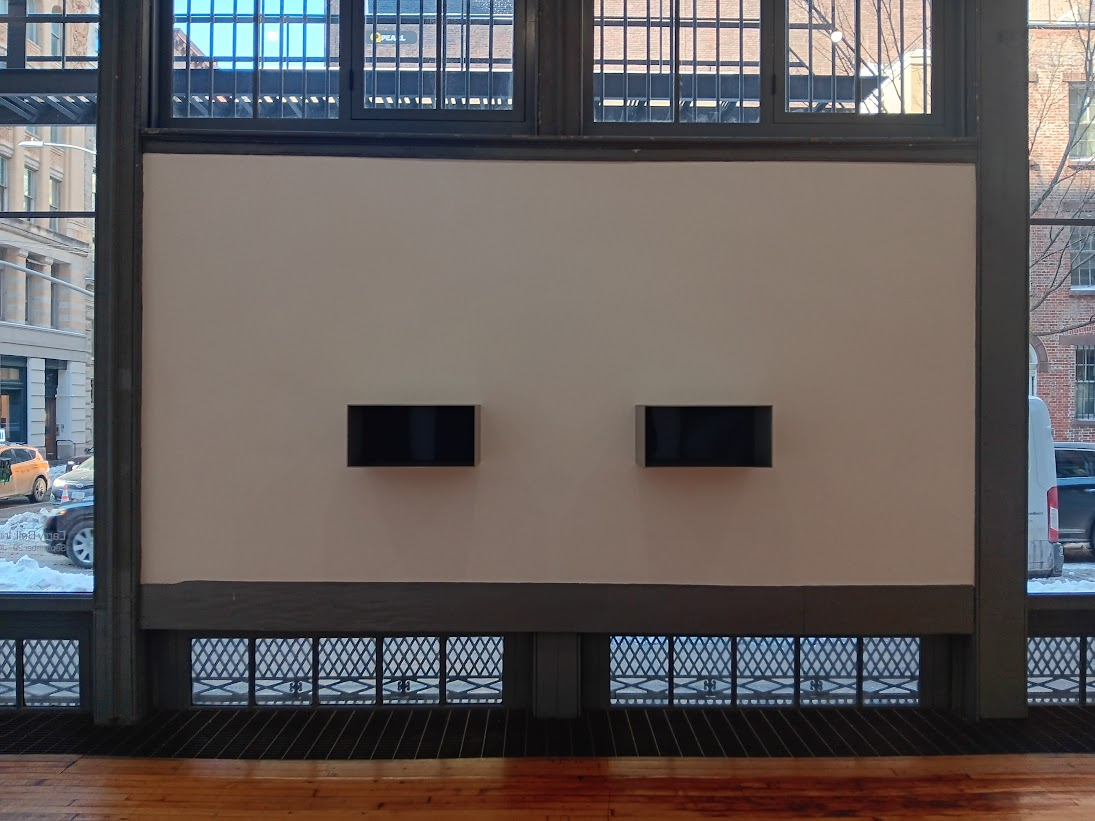
On the other hand, some rooms contain the sharp metal progressive works Judd was famous for, installed site-specifically at his choosing, and one bedroom contains a lengthy glowing Dan Flavin sculpture that runs the length of the room. The house is as Judd wanted it, with the floors still bearing holes where sewing machines were bolted to the floor, a remnant from the building’s days as a textile factory. A temperature control has mercifully been installed for the comfort of the guests; otherwise, the house continues to showcase two halves of Judd’s life: his family, and his artwork, ensuring generations of artists will continue to see the life Donald Judd and his family lived for years to come.
The Donald Judd Foundation offers guided visits Tuesdays to Saturdays. Tickets are $35.00 or $20.00 for students and seniors. Note: photography is only permitted on the ground floor. The foundation is located at 101 Spring St.
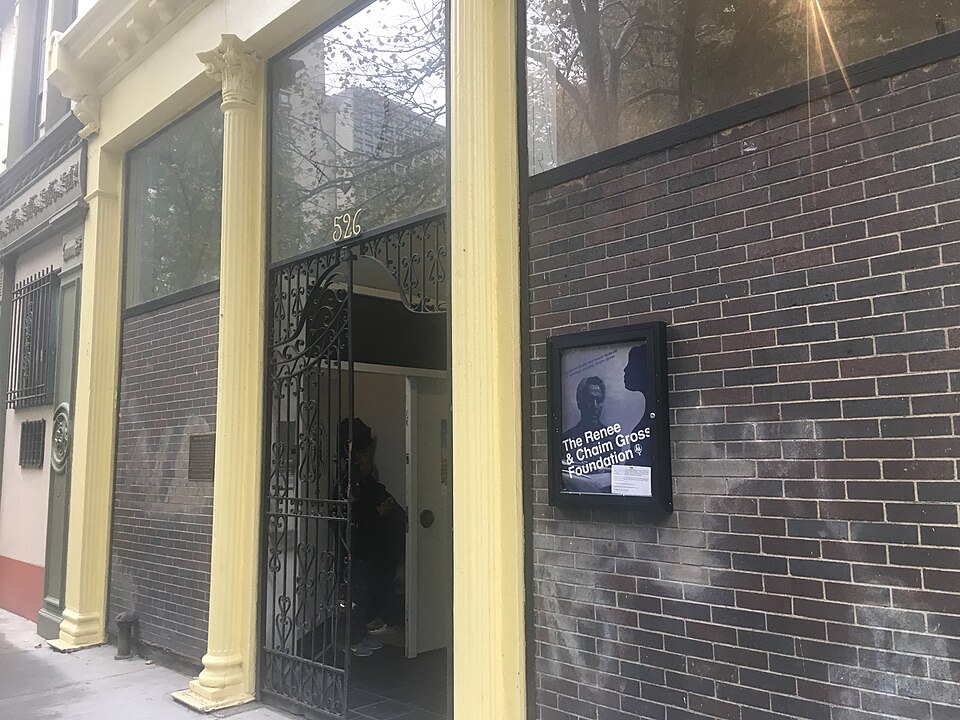
Renee and Chaim Gross Foundation
Right around the corner from the Judd Foundation is the Renee and Chaim Gross Foundation, dedicated to Chaim Gross, the iconic Jewish-Austrian sculptor and artist, and his wife, Renee. Chaim Gross was one of the most groundbreaking sculptors of the 20th century, renowned for carving artworks from memory without a concrete plan, as is the standard. The four-story building contains numerous types of exhibitions and artworks, and, much like the Judd Foundation, blends historical housing with gallery space.
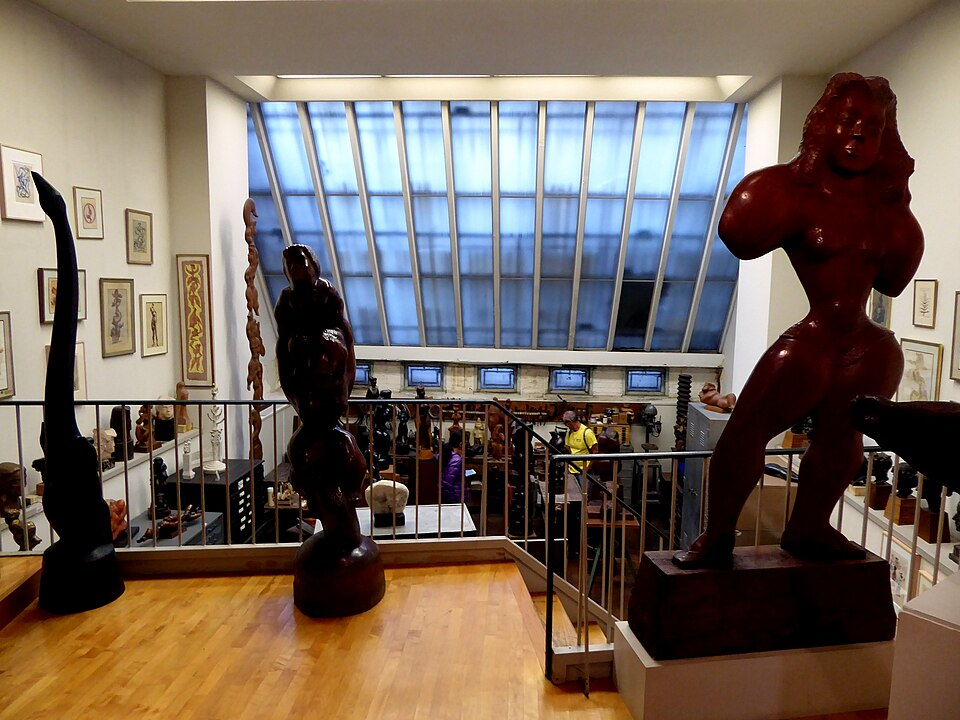
Much of the foundation building is dedicated to Gross’s workshop, filled with artistic bric-a-brac and flooded with natural light, alongside Gross’s carved works. The second floor contains rotating exhibitions by past and contemporary artists; Meanwhile, the third floor captures the appearance of the house as it would have looked when the Gross family lived there.
The Renee and Chaim Gross Foundation hosts tours on Wednesdays at 3 pm, Thursdays at 3 and 6 pm, Fridays at 1 pm, and Saturdays at 1 and 3 pm. Tickets are $15.00 per person and must be purchased at least 24 hours prior to the tour. The foundation is located at 526 Laguardia Pl.
The Banksy 'Museum'
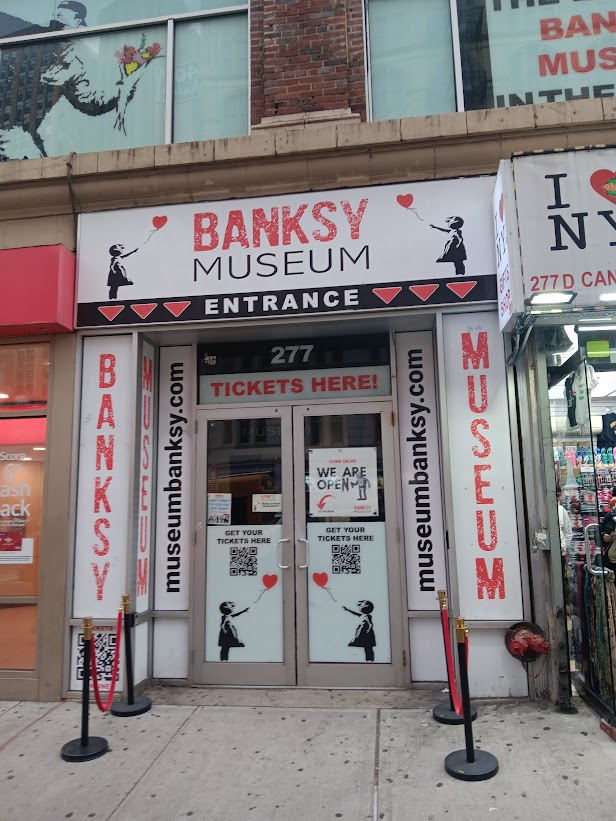
The last Manhattan museum on this list is the Banksy Museum, one of many institutions worldwide dedicated to the (in)famous street artist pseudonymously known as Banksy.
Though the city once boasted dozens of Banksy’s works, all except one of Banksy’s works in New York City have been removed, defaced or destroyed, and can no longer be seen by the general public. For that reason, the Banksy Museum currently displays no original works by Banksy, instead displaying a series of replicas made by a team of similarly anonymous street artists from across the world.

The Banksy Museum exists through Banksy’s tacit approval; it is not officially affiliated with Banksy, who has supposedly said museums are only good for checking out schoolgirls. Instead, the galleries are part of an international series of Banksy museums that each depict a unique assortment of Banksy’s art, with the intent of preserving them from destruction. Aside from focusing on Banksy’s works, the museum also hosts a residency for New York-based street artists.
The Banksy Museum is open from 10 am to 8 pm seven days a week, with final admissions at 7:15 pm. Admission ranges from $21.00 to $30.00. The museum is at 277 Canal St.
Queens
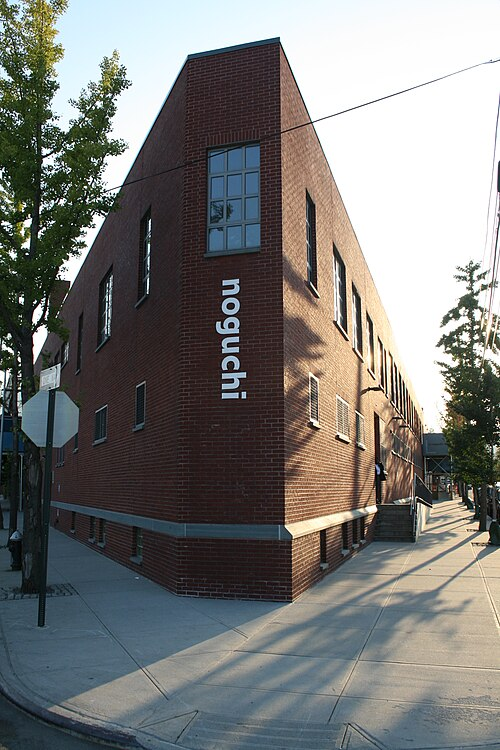
The Noguchi Museum
Over in Queens and up in Astoria is the Noguchi Museum dedicated to the works of Japanese American artist Isamu Noguchi, himself a friend of the aforementioned Nicholas Roerich. The Noguchi Museum is one of Queens’ prime museums, and the first in the world to be designed by a living artist for the purpose of displaying their own work.
The museum is unique in having numerous open-air galleries as well as indoor galleries displaying Noguchi’s works, the largest collection of Noguchi art in the world.
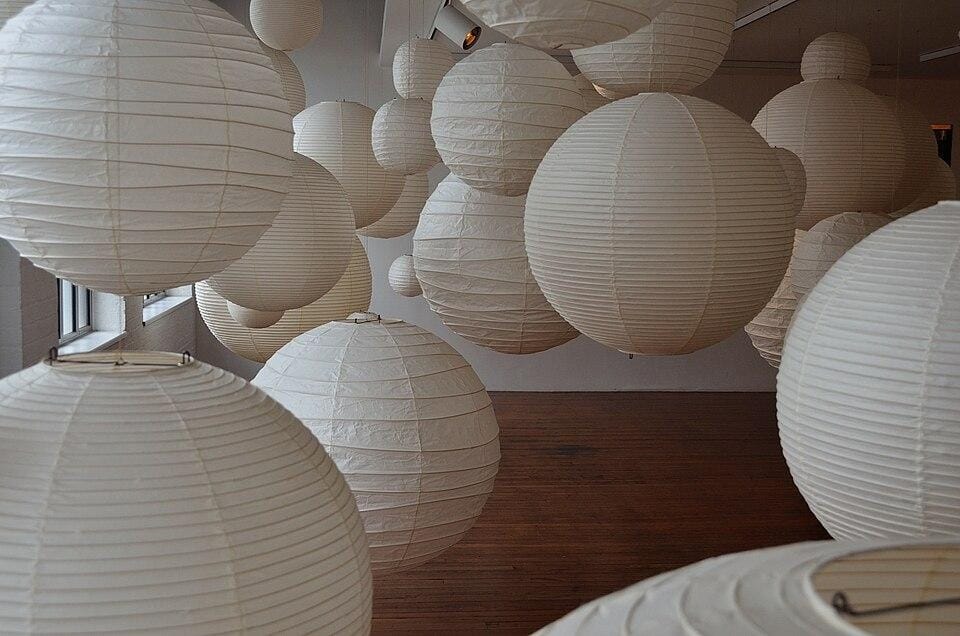
Much like Donald Judd, Noguchi made his museum and garden out of an abandoned factory building and an empty lot. The sculpture garden features some of Noguchi’s finest work; on top of the permanent installations in the galleries by Noguchi, the museum also features rotating exhibitions by a series of artists year-round. As a bonus, Socrates Sculpture Park is right around the corner, on the shores of the East River.
The Noguchi Museum is open Wednesdays to Sundays from 10 am to 5 pm. Admission is $16.00, or $6.00 for students and seniors. The museum is located at 9-01 33rd Rd.
Marlene Yu Museum
A half-hour ride by public transit from the Noguchi Museum is one of the city’s newest art institutions, the Marlene Yu Museum.
“The Marlene Yu Museum is more than a museum," director Seraphina Lusk said. "It’s a movement. It’s a call to experience the power of nature through art.”
The museum features the works of Marlene Tseng Yu, the Taiwanese-American artist and muralist famous for her large-scale works. Yu has lived a storied life, studying in Taiwan and Colorado before coming to SoHo and later Queens to make great art.
Yu once owned a popular venue in Glen Cove, New York, called Cherry’s Disco; high-roller performers who played there include The Village People and Gloria Gaynor.
Yu also is the founder of an organization her museum works with, the Rainforest Art Foundation, founded by Ms. Yu, to create art honoring human connection to the environment across cultures, generations, and disciplines.
Yu’s philosophy is based around dualities of “chaos and harmony, vulnerability and strength, destruction and renewal, revealing beauty even within intensity … The scale, the composition, the physical presence of the paintings simply don’t translate on a screen,” Lusk said. “Glacial melting, forest fires, bleached coral, and avalanches are personified, emotive and relatable.”
Like Noguchi, Yu is “drawing from both Eastern and Western training, her work invites viewers to shift vantage points: from under a microscope to across galaxies, from a bird’s-eye view to being immersed within a natural phenomenon in motion.” With sprawling murals and intimate landscapes, the Marlene Yu Museum is a wonderful recent addition to the city’s museumscape.
The Marlene Yu Museum is open Fridays to Sundays from 1 to 5 pm. Admission is $20.00 or $10.00 for students, seniors and veterans. The museum is located at 36-58 37th St.
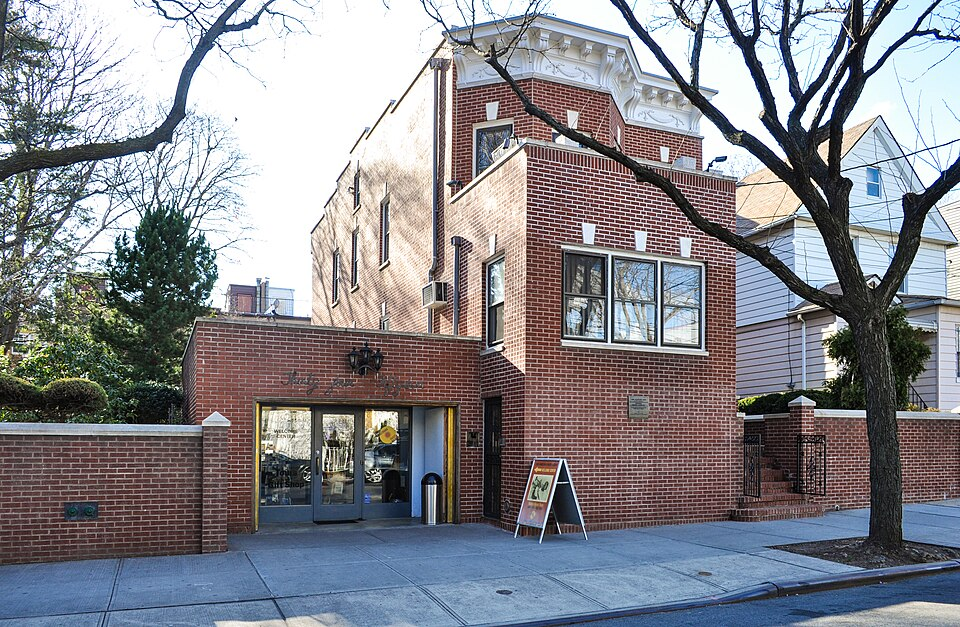
The Louis Armstrong House
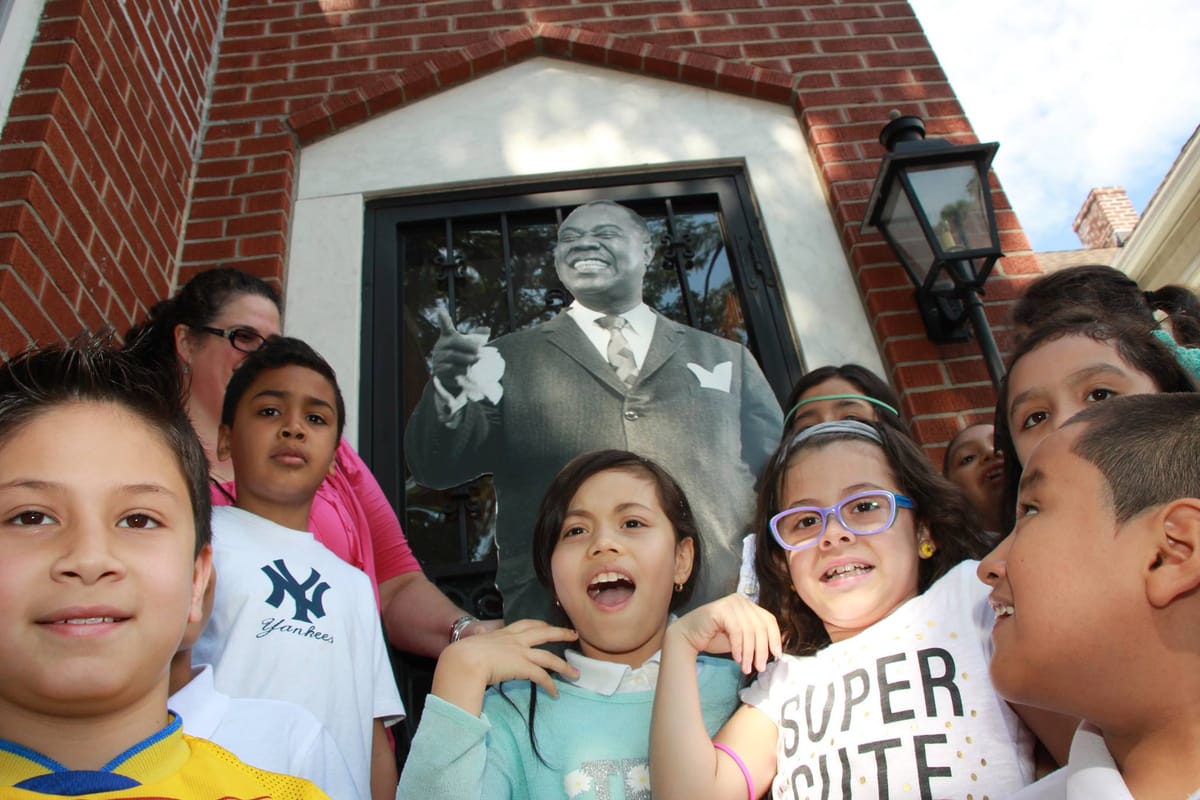
Though Louis Armstrong was born and raised in New Orleans, he died in New York City. From 1943 to 1971, Louis Armstrong lived at 34-49 107th St. in Corona, Queens; following his death, his widow, Lucille, gave ownership of the house to the city to be used as a museum in her late husband’s honor.
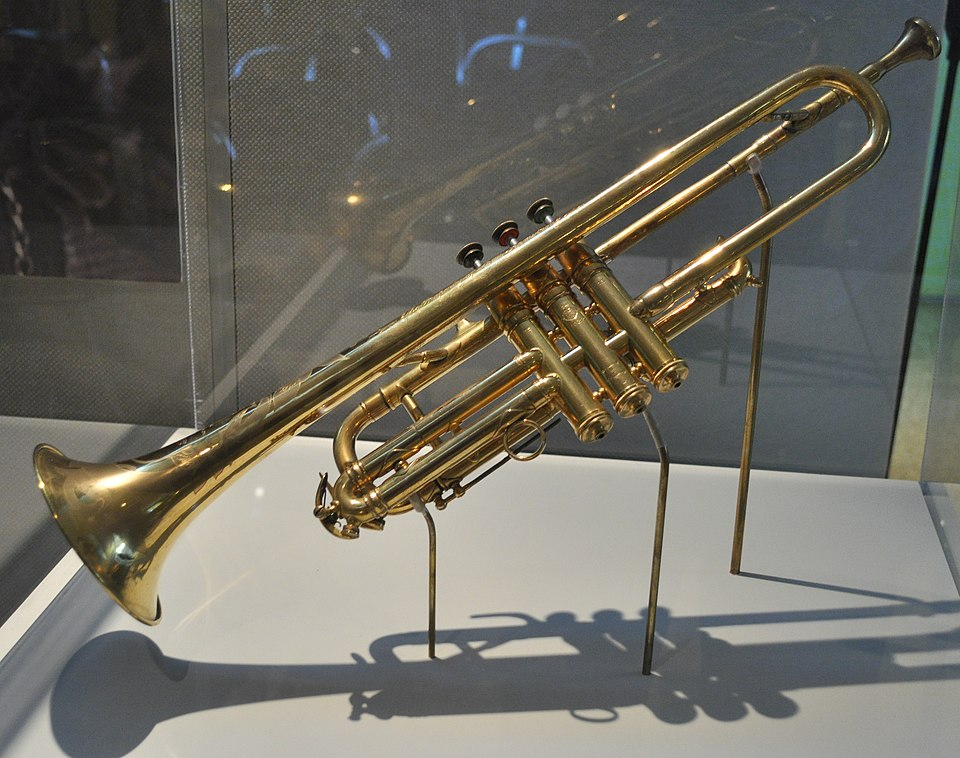
The house consists of a three-building complex. The main Armstrong house contains the gifts and memorabilia the Armstrongs collected over their decades living in Queens. Across the street sits the Armstrong Center, which aside from boasting a 75-seat performance hall also contains a permanent exhibit, “Here to Stay,” containing thousands of personal possessions of Lucille and Louis Armstrong. The third building, Selma’s House, is the former house of Armstrong neighbor and close friend Selma Heraldo, who frequently visited the museum to regale visitors with tales of the Armstrong family.
The Louis Armstrong House is open Thursdays to Saturdays from 11 am to 4 pm. Admission ranges from $5.00 to $20.00. The house is located at 34-49 107th St.
Staten Island
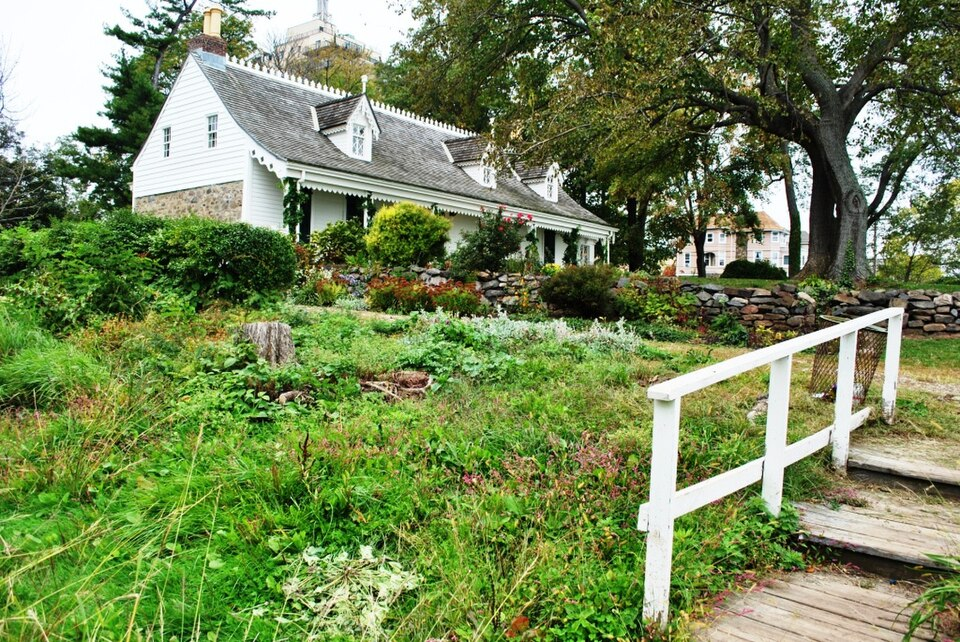
The Alice Austen House
On Staten Island’s northeastern corner sits the Alice Austen House, dedicated to photographer Alice Austen. The historic house dates back to 1690, and remains an ever-changing hub of contemporary art.
Austen photographer and queer when it wasn't acceptable for a woman to be either. When she was 10 years old and received her first camera, she immediately turned her room into a darkroom for developing pictures. Over the course of her lifetime, Austen chronicled the marginalized communities of New York City—the women, the immigrants, the queer folk, and the working class, hauling 50 pounds of photography equipment across the city’s streets on her bicycle.
"Today, the museum stands as a living testament to visibility and belonging, and as a leading voice in LGBTQ+ interpretation at historic sites, where the past is not fixed, but still speaking."
As of October 2025, most of Austen’s 7,000 photographs are now in possession of the Alice Austen House, which is currently in the process of digitizing them to make them available to the public.
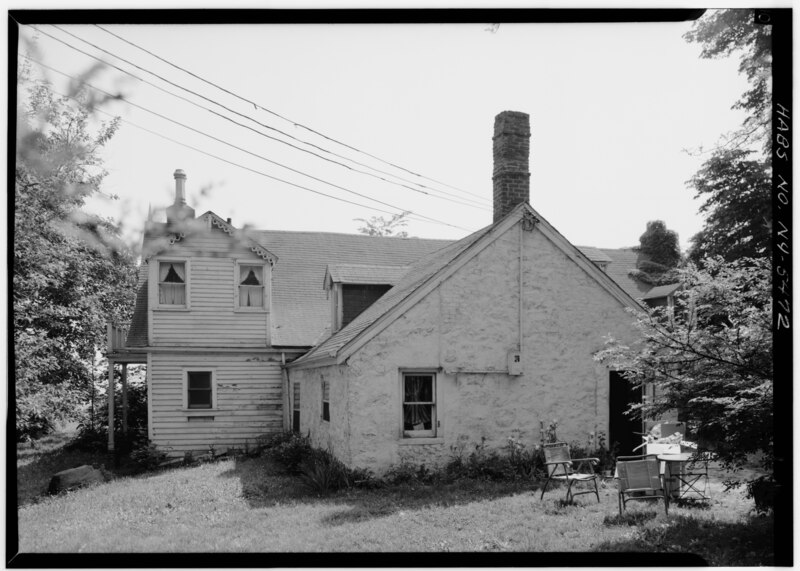
The museum is deeply entrenched in the local community.
“We activate the house and grounds through our Queer Ecologies Garden, deep community partnerships, and sustained support for artists, fostering the creation of new work that honors the past while speaking directly to the present,” director Victoria Munro said.
The museum and its parklands have been designated as a National LGBTQ+ landmark since 2017.
“For the LGBTQ+ community, the site carries particular resonance: a space long fought for, claimed, and finally affirmed," Munro said. "Today, the museum stands as a living testament to visibility and belonging, and as a leading voice in LGBTQ+ interpretation at historic sites, where the past is not fixed, but still speaking."
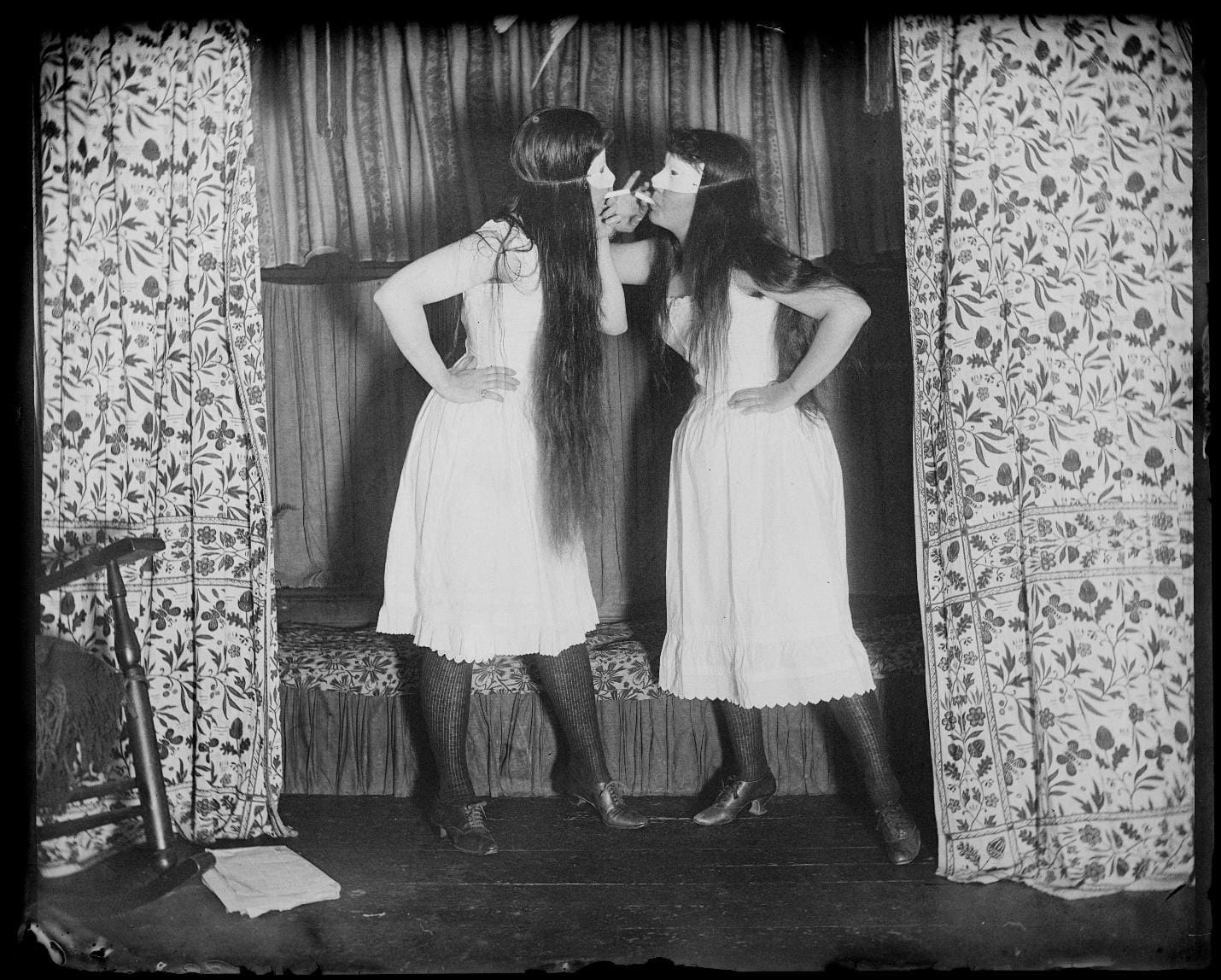
Though the museum boasts thousands of photographs, its director’s favorite is the image, Trude and I Masked, Short Skirts from 1891.
“The photograph feels uncannily timeless, intended for personal entertainment; it offers a private glimpse into Alice Austen’s world,” Munro said. “Set against the rectory of St. John’s Episcopal Church, just steps from the Austen home, the image captures both transgression and tenderness. It is lighthearted and subversive at once, revealing Austen’s confidence behind the camera and her deep comfort within her chosen circle, making it one of her most compelling and revealing works.”
The Alice Austen House is open Tuesdays to Fridays from 12 to 4, and Saturdays from 11 to 4. A five-dollar donation is suggested. The house is located at 2 Hylan Blvd.


Comments ()