‘Born in Flames’ director Lizzie Borden on her Reagan-era vision of ‘democratic socialist revolution’
'Born in Flames comes back with particular force whenever there is a move to the right — whenever the country becomes more punitive'
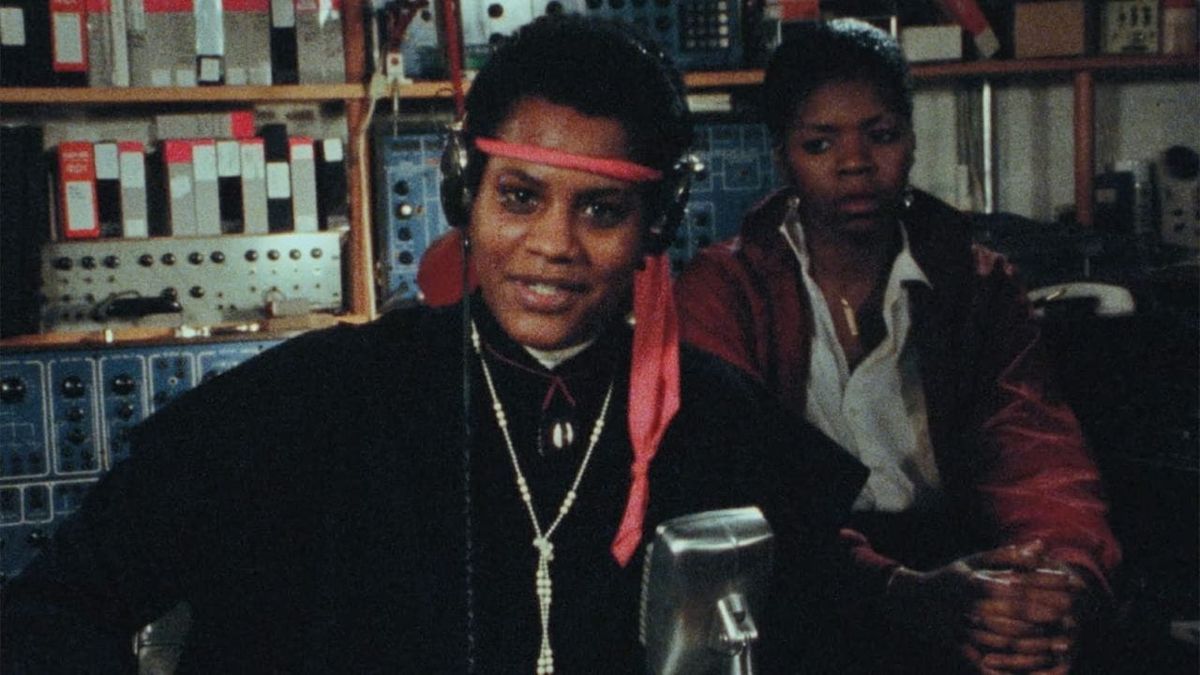
Of all the movies featured in IFC Center and IndieCollect’s “Declaration of Independents!” lineup, which we wrote about yesterday, Born in Flames is arguably the most topical.
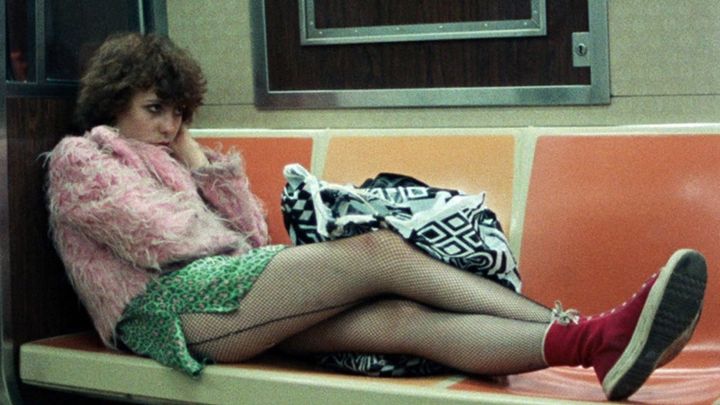
Released in 1983 after a guerilla-style shoot across the streets of New York, writer and filmmaker Lizzie Borden sets the scene 10 years after a peaceful democratic socialist revolution, but the world has hardly become a utopia. As IFC Center puts it, “When the Black founder of the Woman’s Army is mysteriously killed, women of all races, classes, and sexual orientation want to blow the system apart.” (Borden would go on to make Working Girls, a 1986 film following the lives of sex workers in a Manhattan brothel.)
In part a reaction to the rightward march of the Reagan years, Born in Flames feels as relevant as ever now; right-wing forces have seized power and are terrorizing just about everyone at the same time as leftists are sweeping their way into office on a groundswell of impatience with the political status quo. (The movie is also as perfect an antidote as any to the patriotic hoopla surrounding America’s 250th birthday.)
“As [the movie] developed over several years, it reflected more and more of the politics around it,” Borden told The Groove. “The country was moving to the right. There was growing anger about racism, police brutality, who was being heard and who was being erased.”
Ahead of Born in Flames’ upcoming screenings on July 7 and 8, we caught up with Borden for a special members-only chat about the indie film scene of ‘70s and ‘80s New York, making a movie without any institutional support, and how much has — and hasn’t — changed since the film first came out.