Just free the goddamn horses already
A ban on the archaic and weird tourist-trap industry is closer to finally becoming a reality this week.
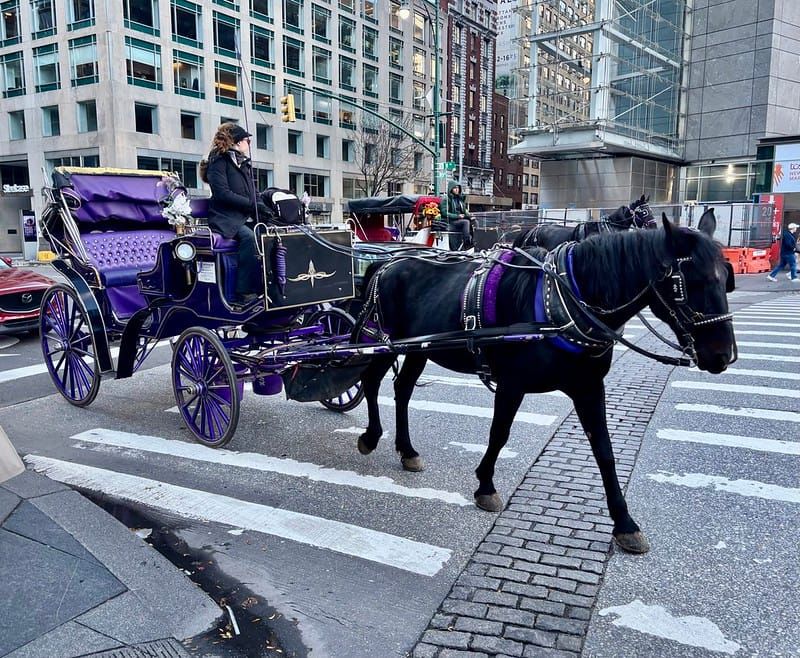
Hundreds of people gathered in the scorching heat outside City Hall on Wednesday morning to fight over the future of an industry that charges tourists $70 to travel slowly for 20 minutes.
Inside the building, a scheduled 10 hours of testimony unfolded, putting actor and PETA activist Edie Falco on the same side as eternal mayoral loser Curtis Sliwa, while various experts took their turns trying to psychically interpret the desires of horses, none of whom were actually present.
The scene was the start of what could very likely be the end to the horse carriage industry in Central Park, a tourist-trap business whose origins date back more than 160 years, nearly as old as the park itself, but whose operation seems increasingly out of place and dangerous in the modern city.
The industry has been under attack for about a decade, including from one mayor, Bill de Blasio, who promised to end it on day one of his administration and another, Eric Adams, who came into office as a self-described vegan opposed to the industry.
But after the past year of highly publicized incidents involving the animals, including one horse death and one 18-year-old tourist killed after falling from a carriage, a long-simmering bill to ban the industry finally got a hearing on Wednesday. With 26 sponsors and the backing of Council speaker Julie Menin and Mayor Zohran Mamdani, the industry is likely to be sent out to pasture soon.
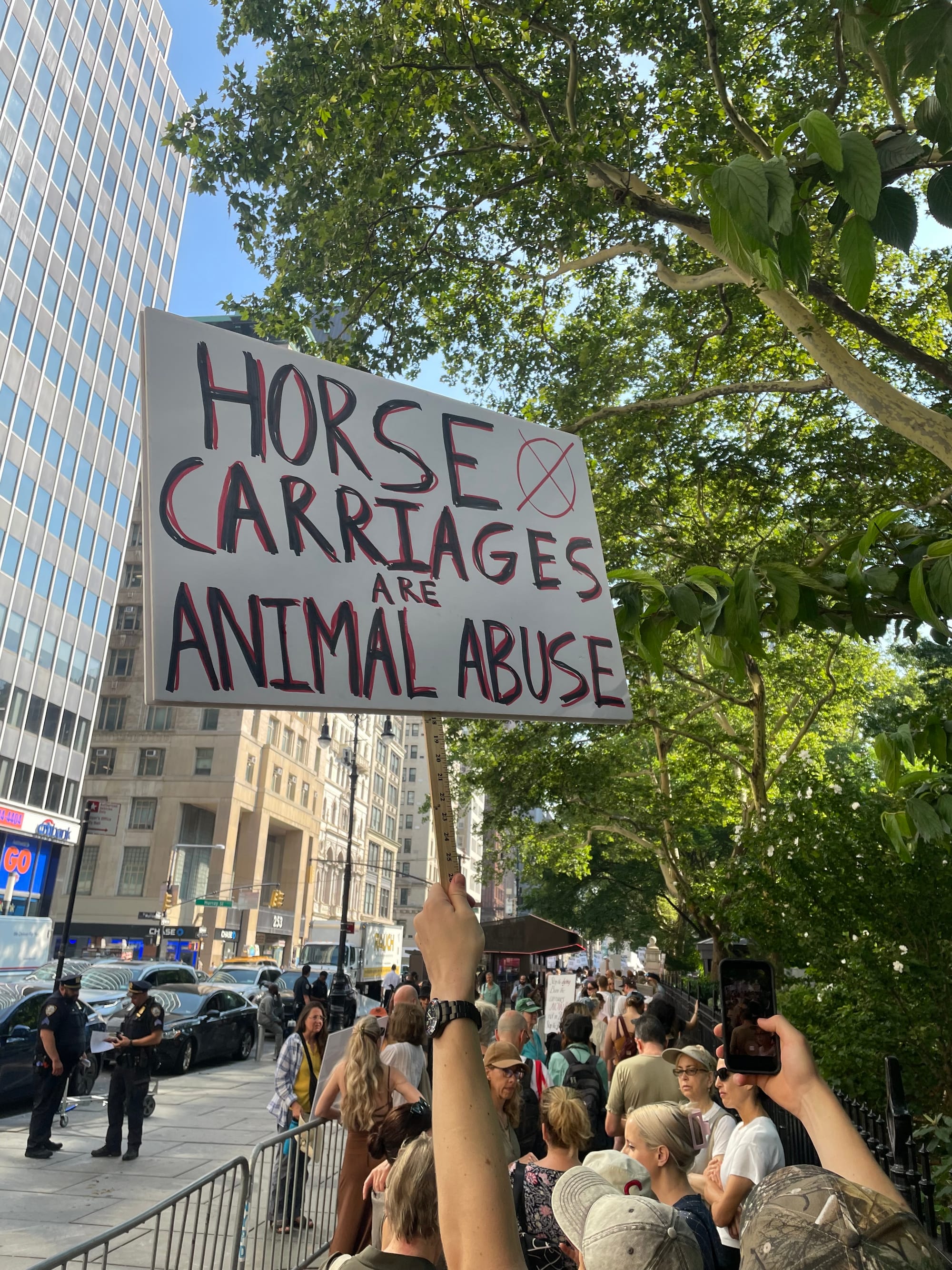
The only holdup in the bill, according to the Mamdani administration, will be ensuring the roughly 200 carriage drivers and stable workers will have new jobs; the administration wants the bill to include stronger workforce training resources. What those jobs will be is still unclear.
“I'm one of those morning cyclists, and so I just see the horses and what they're going through fairly frequently,” Councilmember Chris Marte, who represents lower Manhattan and is the prime sponsor of the bill, told The Groove. “It's an animal welfare issue, and I just think there's ways to get people around Central Park that doesn't have to come on the back, and sometimes at the cost of a life, of a horse.”
Marte said he feels confident that the Council will actually get this done this time.
“There's never been this amount of support within the council and in City Hall to end this, and it follows the calls of New Yorkers,” Marte said. “We're going to continue to organize and put pressure to make sure that we can finally end this, this year.”
The death of a human might be the final straw to save the horses: The bill was renamed Romanch’s Law this summer in honor of the 18-year-old Indian tourist Romanch Mahajan, who was riding in a carriage with his family when their horse got spooked, and tossed Mahajan’s mother to the ground; Mahajan fell when trying to help his mother and hit his head. The bill was originally known as Ryder’s Law when it was first introduced in 2022, named after a sick horse who collapsed on a Manhattan street during an August rush hour that year. Video captured the driver pulling, smacking and whipping the horse as it sat collapsed in a lane of traffic as cabs and a city bus drive by. If it had passed, Ryder’s Law, first proposed by then-Councilmember Bob Holden, would have sunsetted the industry by June 1 of this year, 16 days before Mahajan died.
“That should be chilling to the members,” Holden said at the meeting. “That is the cost of four years of obstruction.”
The carriage industry was on hand in force at City Hall on Wednesday, holding signs arguing for more regulation in lieu of a ban. That included supporters, dressed like villains in a horror movie set in the antebellum South, who joined drivers in full carriage regalia, a coterie that gave a “we demand to be taken seriously” vibe to the proceedings that also led to potentially the highest number of top hats in City Council chambers in the 21st century.
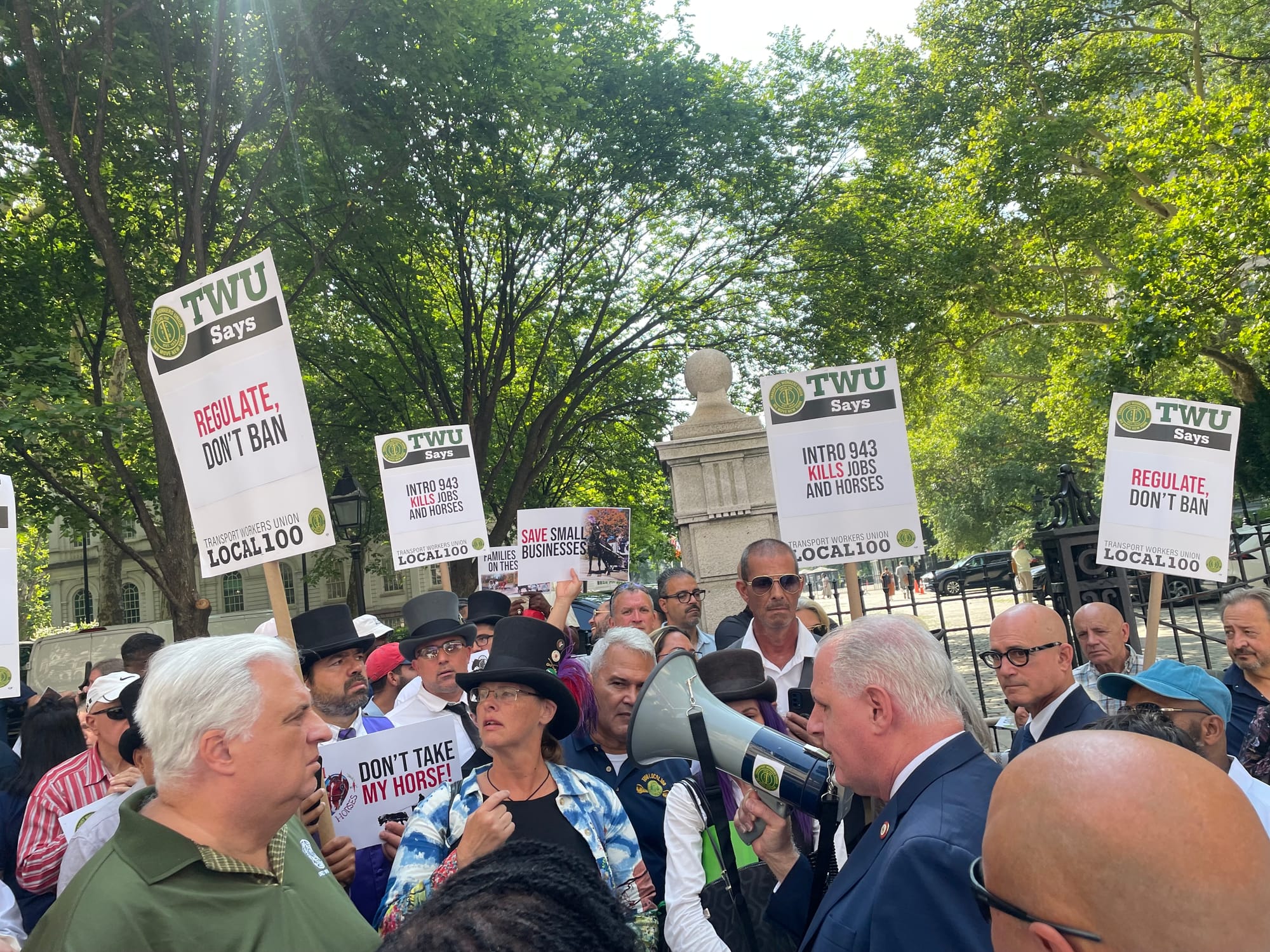
But, as many critics pointed out, the industry is already heavily regulated.
👀 Continue reading this story by logging in or becoming a free subscriber below.