
A tour guide's tips for shaking up your summer itinerary
Plus, what summer 'classics' you'd do best to avoid

We’ve got a firm stance here at The New York Groove: not only is fleeing the city during the summer for the weak, but summer is unquestionably the best time of year to live within the five boroughs. And if there’s one thing we want for our readers, it’s for each and every one of us to make the most of it.
But even the most (ahem) seasoned city summer sicko can get stuck in a rut, and if we really want to do it right, sometimes the beach-every-weekend routine needs a bit of a shakeup.
Enter New York Seasons, a new book from Amy Plitt, a longtime New York City journalist, tour guide, and guidebook writer (and friend of The Groove). As the name would suggest, Seasons is a guide to finding the best New York has to offer in any given season. So naturally, we wanted Amy’s best recs on all things summer in the city.
“So much of the coolest stuff is seasonal,” Plitt told The Groove. And even with the tried-and-true classics, you can fine tune your approach. Coney Island is a draw in both early summer (for the Mermaid Parade) and late summer (the perfect time to catch a Cyclones game), Plitt said, but if it’s an actual dive-in-the-ocean beach experience you want, stick with the Rockways or Riis. (“Coney Island as a beach is going to be too crowded; go for the boardwalk, go for the Cyclone,” she said. “But other beaches in the city are much better for actual beachgoing.”)
There’s also something to be said for knowing what “classics” to avoid. Unless it’s a unique neighborhood event like the Atlantic Antic or the DanceAfrica festival BAM held over Memorial Day Weekend, you can skip the copy-and-paste street fairs. “It’s the same thing over and over again; ‘we’re going to close off a block of Sixth Avenue and have the same sock guy and the same gyro guy,’” Plitt said.
But enough about the stuff you can skip. Below, we asked Amy for summer of her favorite summer spots from the book, hand-picked just for you:

Naval Cemetery Landscape, Brooklyn
“This is probably my favorite place that I included in the book,” Plitt said. “It’s this sort of serene space that’s on a former naval cemetery at the very easternmost edge of the Brooklyn Navy Yard.”
The area is packed with native plants (and therefore a “real magnet for birds and monarch butterflies,” Plitt said), and also features a bench with an attached notebook where visitors can write down their reflections.
Part of the Brooklyn greenway, the Landscape has been open since 2016, and is a popular stop for cyclists or anyone looking for a surprisingly secluded moment of zen. “The way they designed it is so smart, there are these sort of boardwalks that take you through it and pockets where you’re walled off from all the activity around you. It’s a great place to hang out, have a cup of coffee, chill, forget that you’re right next to the BQE.”


City Island, the Bronx
While the beaches on City Island are famously not open to the public, the seaside Bronx enclave has plenty of other options that make it worth the commute.
“It’s one of those places where you’re in the city but you don’t feel like you’re in the city,” said Plitt. The island’s most well-known seafood stop, Johnny’s Reef, is worth the hype (“I was skeptical but it really is that good,” she said), and the island’s main drag, City Island Avenue, is full of both longtime local businesses and newer offerings like vintage stores.
The City Island nautical museum delves into the island’s history as a “maritime jobs center in the 19th and early 20th centuries when there was a lot of oystering and shipmaking going on there,” said Plitt, and the area’s history bears out in the architecture, as well, with rows of historic Cape Cod-style homes. “Even if you can’t go swimming, you’re taking this little staycation at a seaside town but at the end of the 6 train [plus a bus ride],” she said.
Sail on historic ships at the South Street Seaport Museum, Lower Manhattan
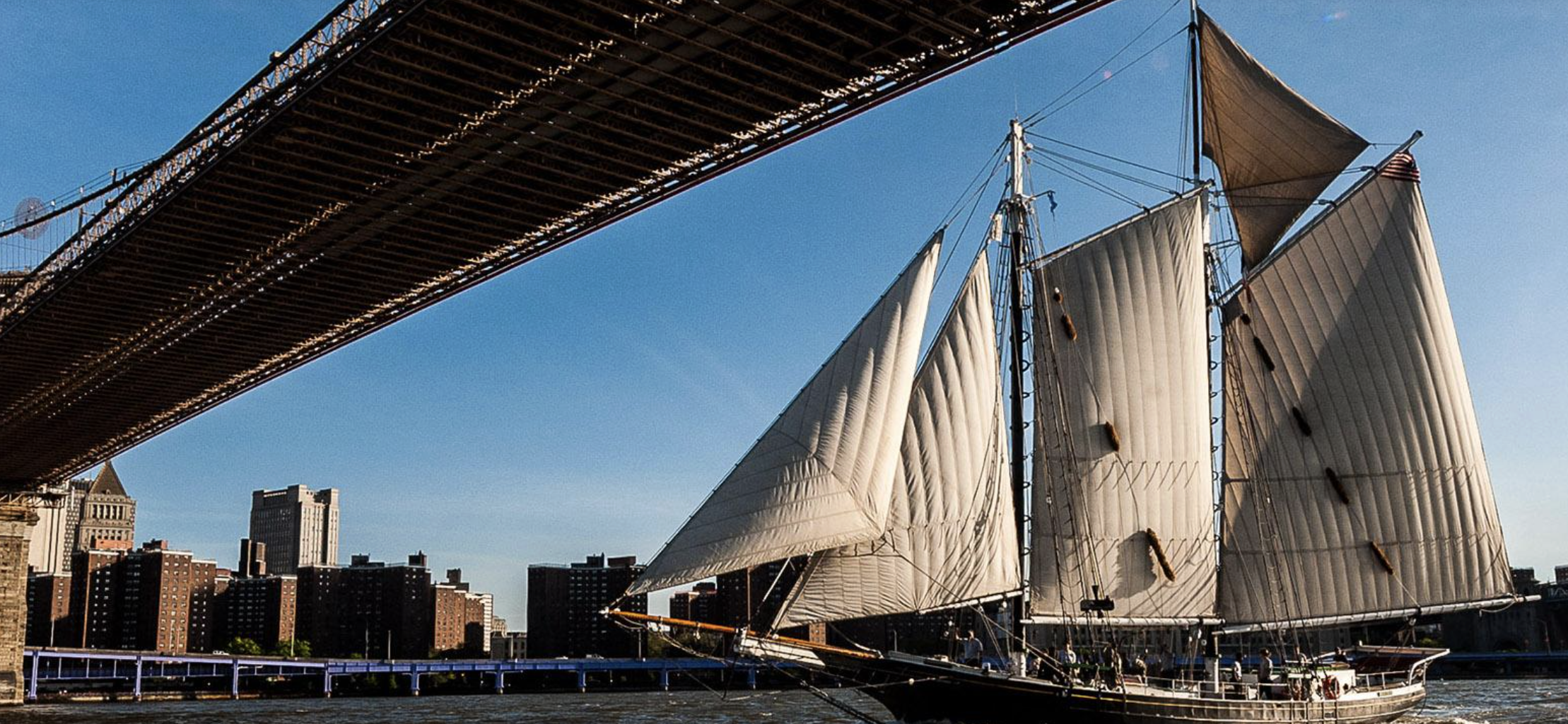
Another great option for the nautically minded: did you know you can actually set sail on some of the historic boats at the South Street Seaport Museum?
“There’s the museum itself, where they’re preserving the maritime history of the seaport and you can go and see different artifacts, but they also have these historic ships you can sail on,” Plitt said. “One is a schooner from the 19th century, one is a wooden tugboat that was built in Queens in the 1930s.”
Rides run between $15 to $70 depending on when you’re going (and on which boat), and on the schooner, there’s an option to take a sunset sail around New York Harbor at magic hour.
Prepare to potentially act as a literal pair of hands on deck. “You’re there with a guide who’s going to tell you the whole history of the vessel, and you might even get enlisted to help raise or lower the sails,” Plitt said. “You’re getting this immersive education on such an important part of the city’s history and you have a beautiful view while it’s going on.”
 The Groove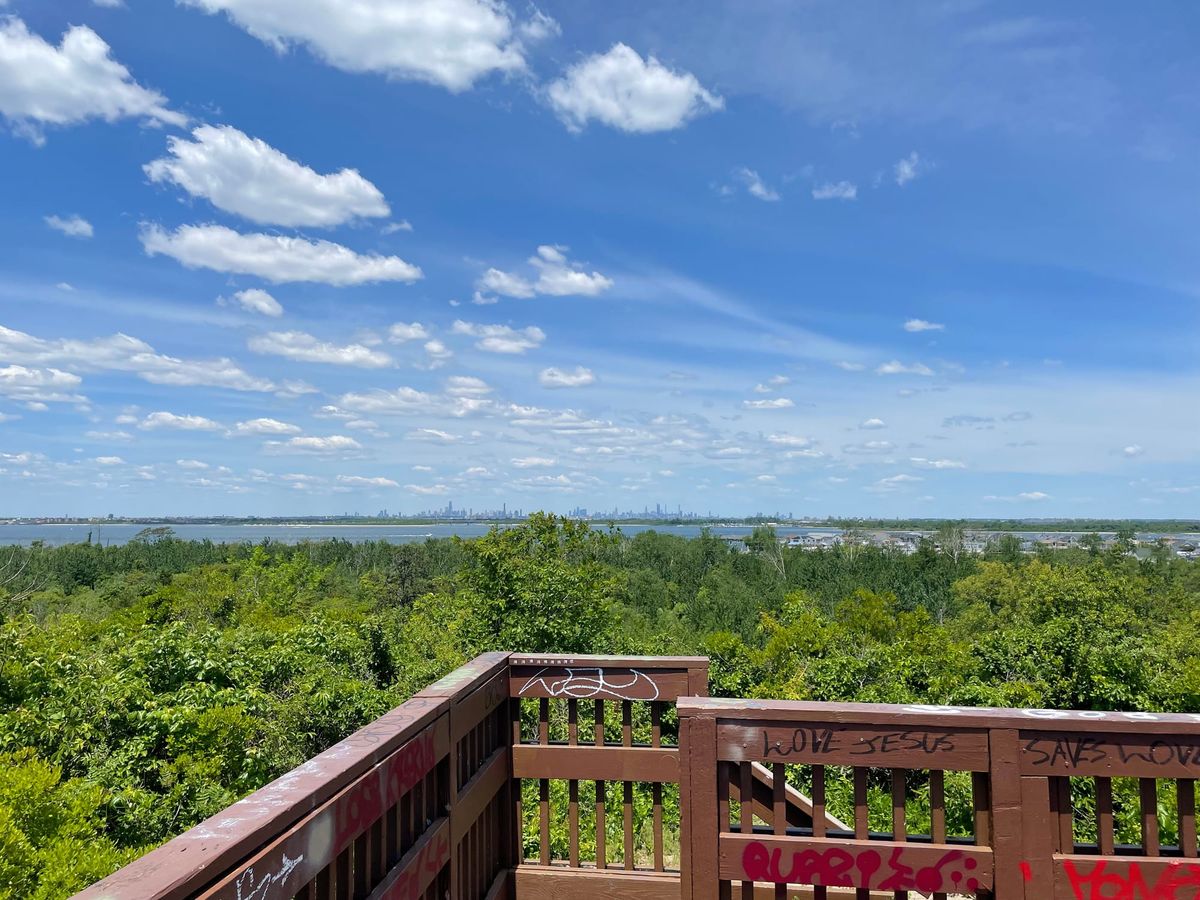

Hunter’s Point South Park, Long Island City
For a free outdoor option that’ll get you on the waterfront, Plitt recommends Hunter’s Point South Park, a relatively new addition to the city’s vast network of parks.
“It’s a really cool example of adaptive reuse; it’s part of Long Island City that was piers and industrial until about a decade ago,” Plitt said. “The whole thing was redone with a lot of different types of parkland.”
The 6,000-square-foot park’s pier is an especially good place to catch a sunset, she said, with a view over the waterfront “and those brilliant sunsets that will go behind the [Manhattan] skyline.”
Gantry Plaza State Park, which is adjacent, features food trucks, seating areas and various family-friendly activities, in addition to a walkway that goes around the whole park.

Museum of the Moving Image, Astoria
If you don’t want to battle through throngs of tourists on Museum Mile, can we interest you in a trip to Queens?
“In late summer, it gets really unpleasant to be outdoors sometimes, and the Museum of the Moving Image is one of the best ways to spend five or six hours, or maybe even more,” Plitt said.
Located on the same lot as the historic Kaufman Astoria Studios (the early film industry was actually based in New York before it moved to L.A., a fact I learned at this very museum!), the Museum of the Moving Image offers an all-ages and interactive tour through film history, with an excellent permanent collection (a replica of a classic 1920s Egyptian-style theater! Scale models used in Star Trek!) and an always on-point rotation of exhibitions (they’ve currently got one on Jim Henson that’s a must-see).
They’ve also got a massive (and well air-conditioned) on-site movie theater with a reliably good lineup. “You can go see a first-run movie,” Plitt said, but they also screen plenty of oddities and classics. “Recently they were screening one of my favorite movies, All That Jazz, which is such a bizarre and wonderful New York Movie.”
With all of this, Plitt said, the idea is to get even lifelong New Yorkers out and exploring parts of the city they might not normally get to. “There’s so much cool stuff that’s off the beaten path,” she said. “It’s nice to give people another reason to get out in the city.”


Comments ()