
Baja Blasts and personal lore: Inside NYC's new queer run clubs
A new crop of run clubs have become all-purpose social hubs, as well as a reason to lean into whimsy
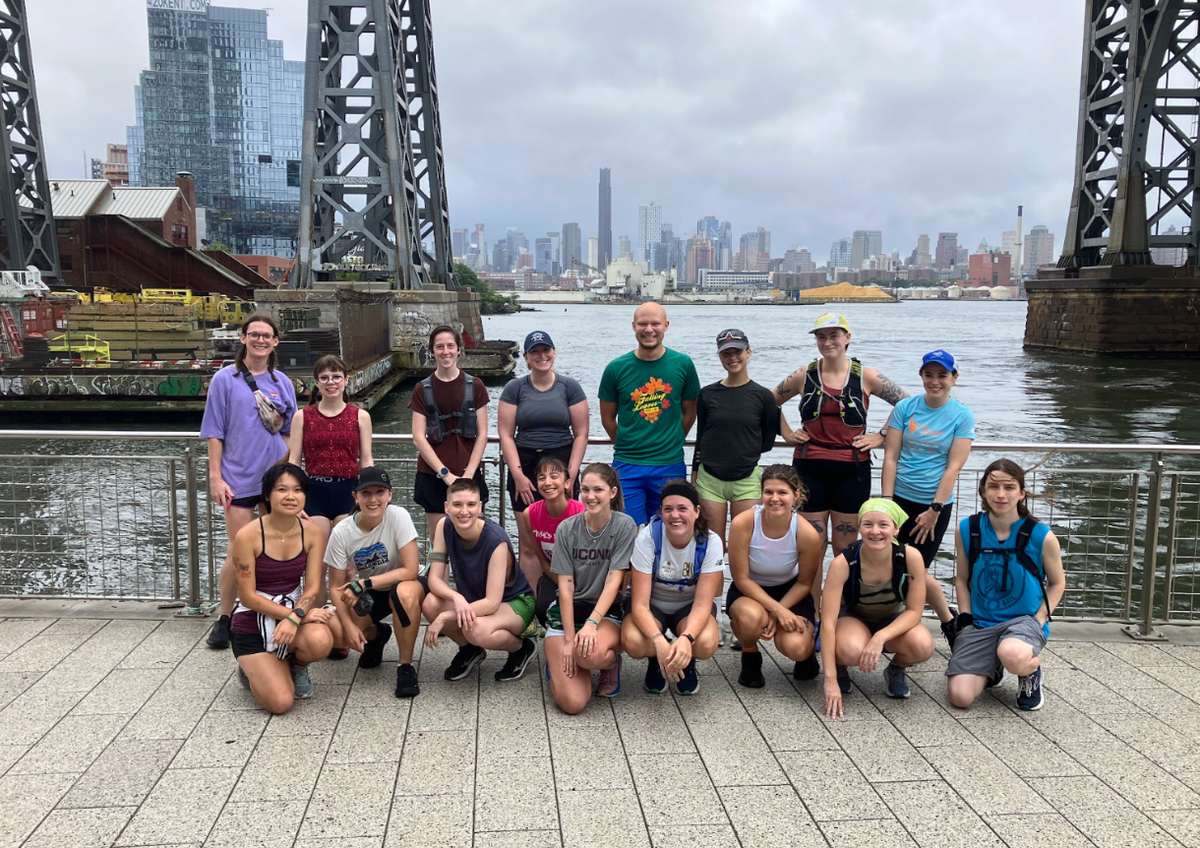
One Saturday morning last year, a handful of Queers Run Brooklyn (QRB) members found themselves jogging to every Taco Bell in Manhattan — a route that added up to a total of 19 miles.
The run’s leader, Gillian, guided the group with a handwritten map down cross streets and up avenues. The runners entered every Taco Bell to take a selfie and occasionally sneak in churro bites or Baja Blasts before hitting the pavement once more.
Why? Because sometimes it’s important to lean into whimsy, and that’s what the new generation of queer run clubs are aspiring to do.
“QRB is very kooky and dear to me because of the way that so many of us are willing to commit to a bit,” said Eliana Greenwald, operations coordinator for the club.
QRB, Dyke Run NYC and Queer Feet Run Club were all founded in 2024. The rise of queer run clubs comes amid a broader running boom in New York. Over the past two years, run clubs have become a genuine phenomenon, with critics complaining of overcrowded routes and transactional dating-market dynamics. The newest queer clubs have largely sidestepped the negative reviews by positioning themselves as third spaces focused on affinity and mutual support.
Compared to longstanding organizations like Front Runners New York (FRNY) — New York’s original queer run club, founded in 1979 — these clubs are merely beginning to define themselves as third spaces. However, over the past two years, they have become hubs for embracing identity and open conversation.
For Greenwald, QRB is a place where friendship naturally thrives. She runs three times a week with the club, and when it comes to niche pop culture interests and values, she feels she has found her people.
“I know I can count on a great conversation, whether it’s about our opinions on the latest MUNA single, gender theory or the nonprofit industrial complex,” Greenwald said.
Continue reading this free story by signing in or subscribing below!
Julia Spriggins, also a member of QRB, described the potential for new friendships and fascinating conversations as the reason she has been running with QRB for the past 18 months.
“Every day this week, I can show up and know there's going to be people there that I get along with,” Spriggins said. She launched into an anecdote from a run this past winter:

Frigid temperatures had Spriggins worried about that morning’s run attendance. She recalled arriving at Prospect Park, prepared to do the club’s usual loop, but then something happened that she hadn’t prepared for: people actually showed up. The group became a sea of moving balaclavas, puffers and mittens, some even wearing multiple pairs of socks. Spriggins was delighted by the absurdity and commitment of her community.
Ellie Bamer, a board member and regular runner at Dyke Run NYC, says the club has not only provided a social space, but had a deep personal impact as an accessible third space.
“Prior to living here, queer community was something that I was really craving and needing in my life. I was honestly envious of a lot of my friends who had been able to create that for themselves,” Bamer said. “Finding this club was a lifeline in a lot of ways.”
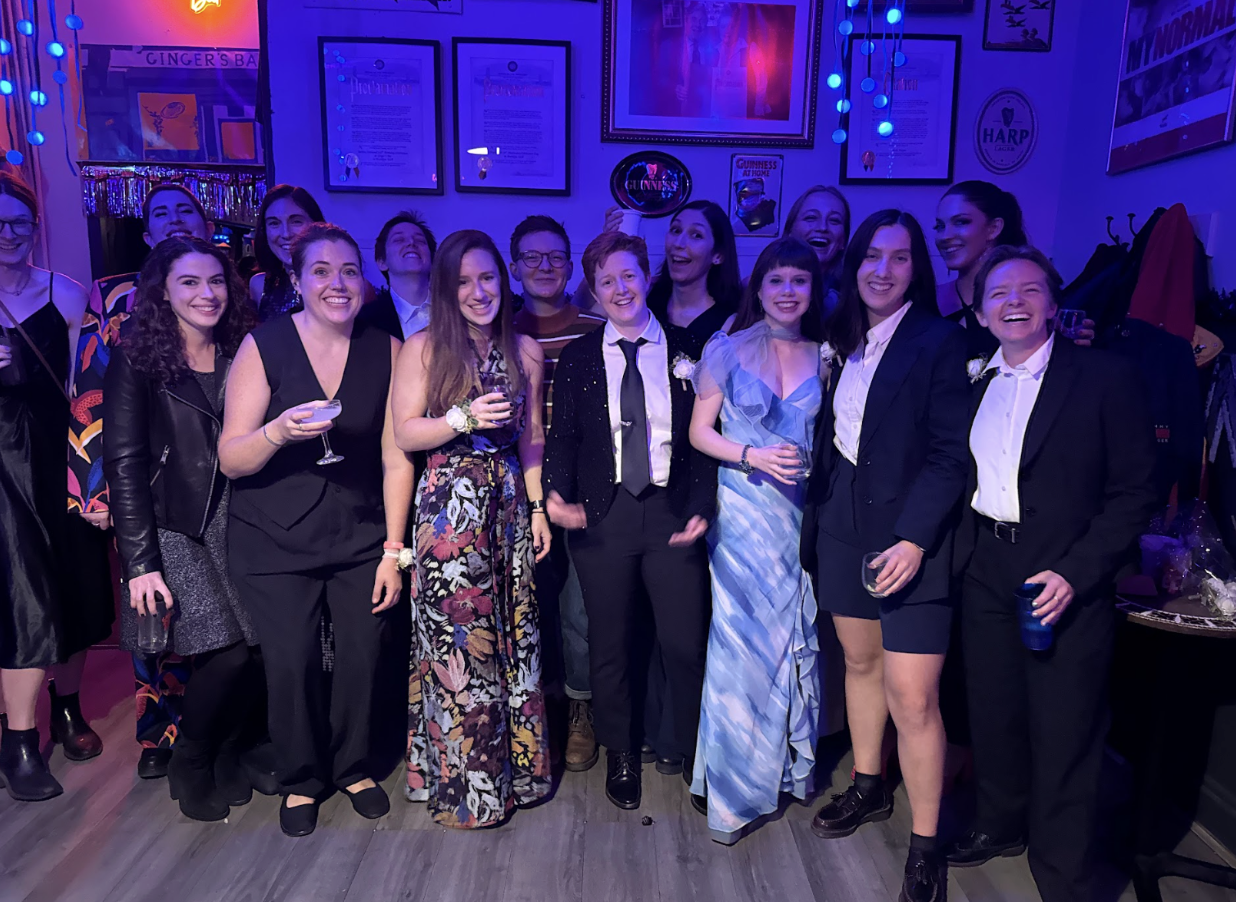
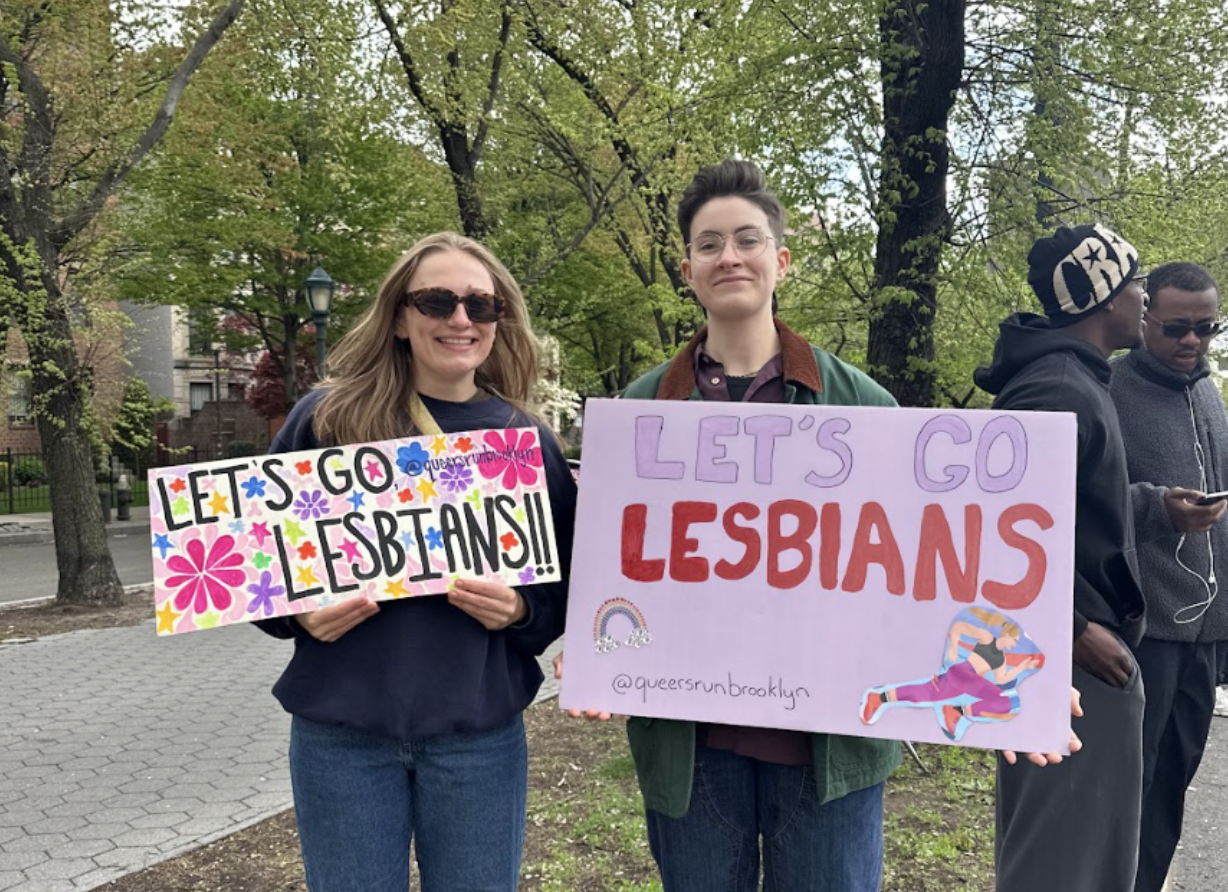
'From my first run, I felt like I had real conversations with people and was able to connect with people who came from different backgrounds and were doing really cool shit in the city,' said Ellie Bamer of Dyke Run NYC. (Photos courtesy Eliana Greenwald)
At first, Bamer struggled to find an LGBTQ+ community that she felt aligned with. She tried out other run clubs, but did not feel they were her ultimate destination. With Dyke Run, she knew she had found her place right away.
“From my first run, I felt like I had real conversations with people and was able to connect with people who came from different backgrounds and were doing really cool shit in the city,” Bamer said.
FRNY proved that queer New Yorkers would show up for each other, mile after mile, decade after decade. Where the newer clubs have carved out their own identity is in the programming beyond the run itself.
FRNY does have after-run breakfasts and occasional socials, but the new generation of queer running clubs has broader and more frequent programming for those who are less serious about running and more serious about camaraderie. This month, Queer Feet is hosting a Pride Party with a beer pong tournament, temporary tattoos and a DJ. Dyke Run has hosted tailgates for Gotham FC, wilderness walks, beach days and the board is throwing a party for the club’s second birthday later this month at Wilkas. Queer Runs Brooklyn claims Ginger’s as their go-to bar, but they also host craft nights, attend Liberty games, go ice skating, and organize formals.
Queer run clubs:
- Front Runners New York
- Queer Runs Brooklyn
- Dyke Run NYC
- Queer Feet Run Club
Not a runner? No worries. Check out the following groups for other activities:
- Topperz Queer Pinball
- New York Gay Football League
- Big Apple Recreational Sports
- Basketdolls NYC
For Greenwald, some of the most memorable run club moments have been sans sneakers. Last fall, she suffered an injury and had to step away from running for the first time ever.
“My QRB friends brought me food, lent me a walking boot, welcomed me with open arms at our book club and post-run coffee hangs when I couldn’t run, and even helped me have a good time at our club camping trip in October, crutches and all,” she said. “The support system is incredibly special.”
Seeing club members outside of runs reveals people’s unique skills and quirks, Greenwald said.
Across the three camping trips she has co-led, Greenwald has discovered her running buddies have impressive skill sets from plant-identification to sparking fire, playing guitar, and jumping cars.
Discovery happens on ordinary weekday runs too, Greenwald said.
“When you’re on your feet together for that long, you’re eventually going to blab to each other about your deepest thoughts, personal lore, or whatever’s on your mind that day,” she said.
It's a dynamic Front Runners understood in 1979, and a new generation is still proving it true.
Read more:
 Kate Mooney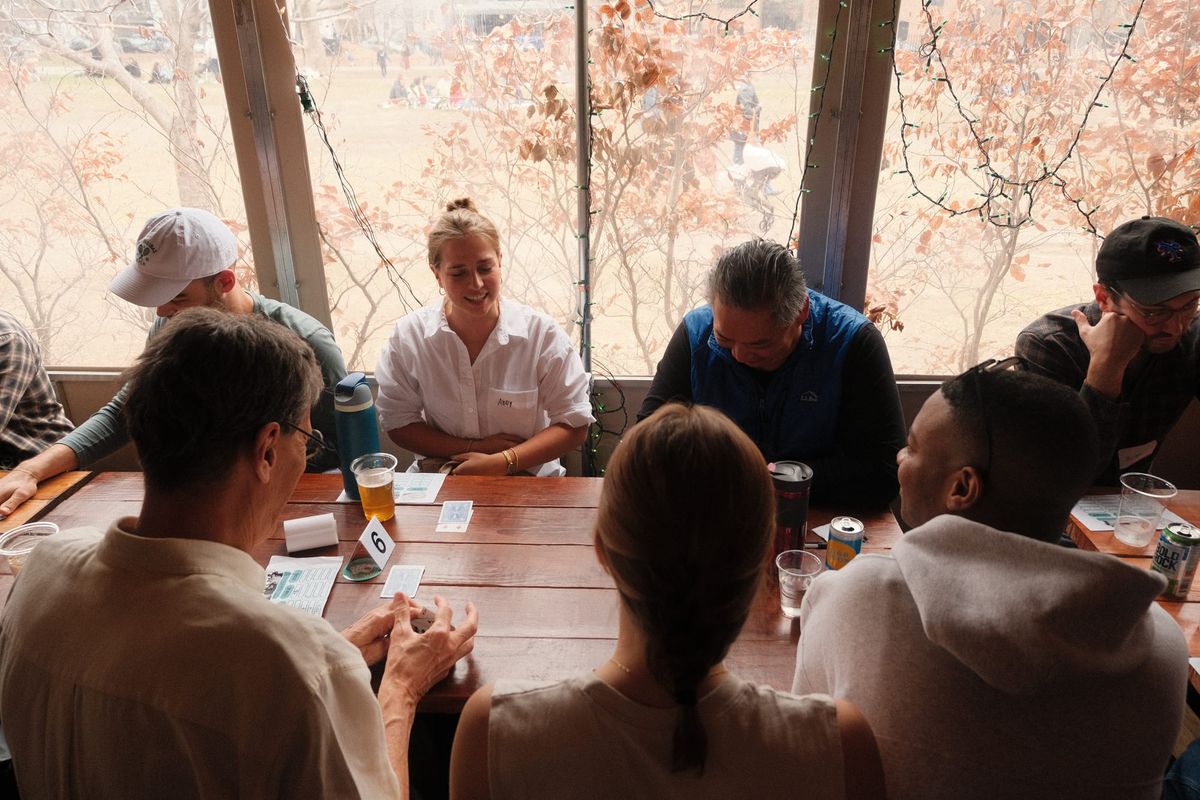
 Alesandra Tejeda
 Tim Donnelly
Comments ()